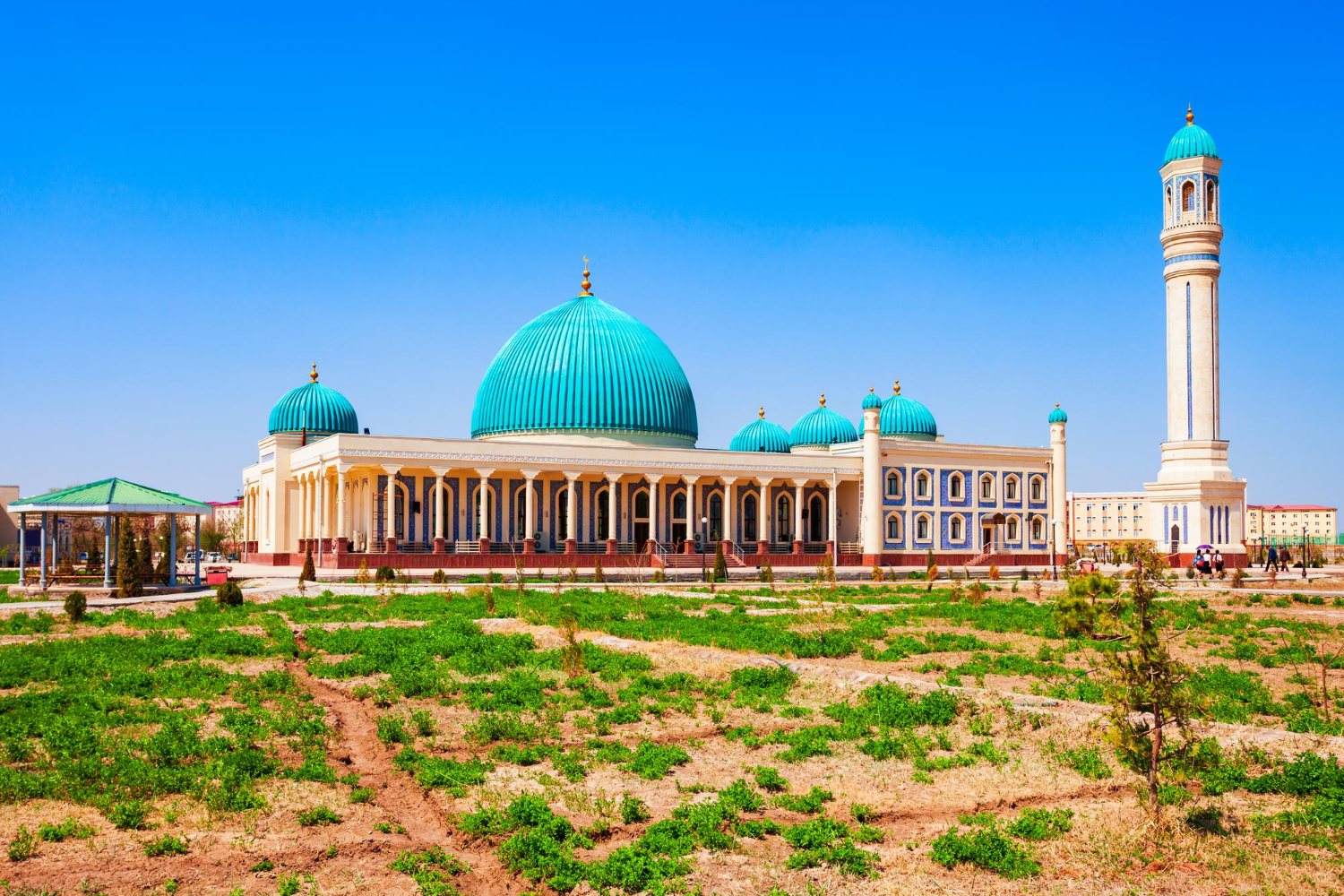
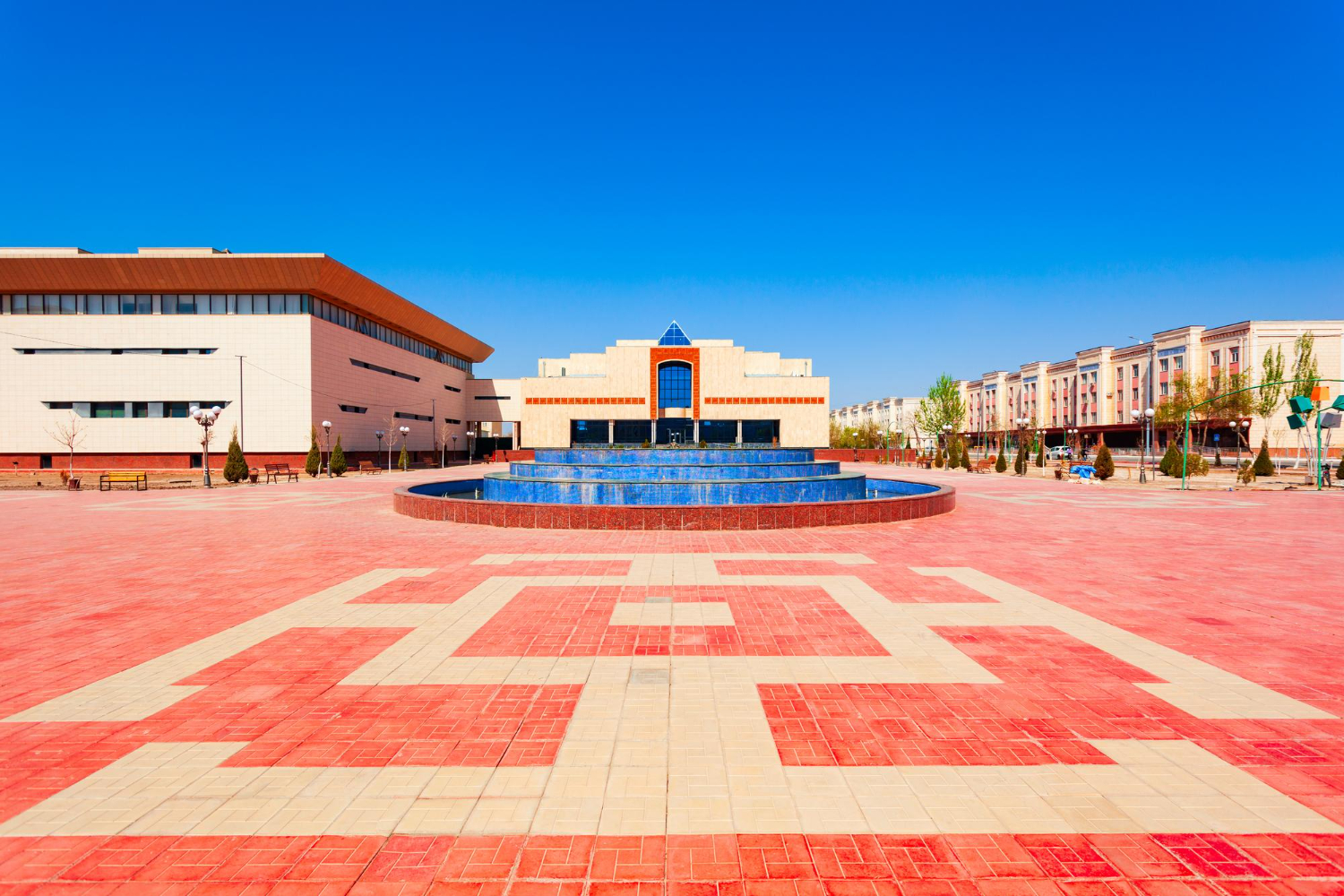
6 days
Fixed dates
30 people
from 10 years
Basic
Hotel
Russian
Excursion tours, Ethno tours
If you've already visited Uzbekistan's most famous and popular cities—Samarkand and Bukhara—we invite you to experience the country in a completely new way on this fascinating tour! Here, you'll discover traces of Central Asia's most ancient civilization, Zoroastrian monuments, settlements lost in the desert, and a museum with a vast collection of 20th-century Russian avant-garde paintings.
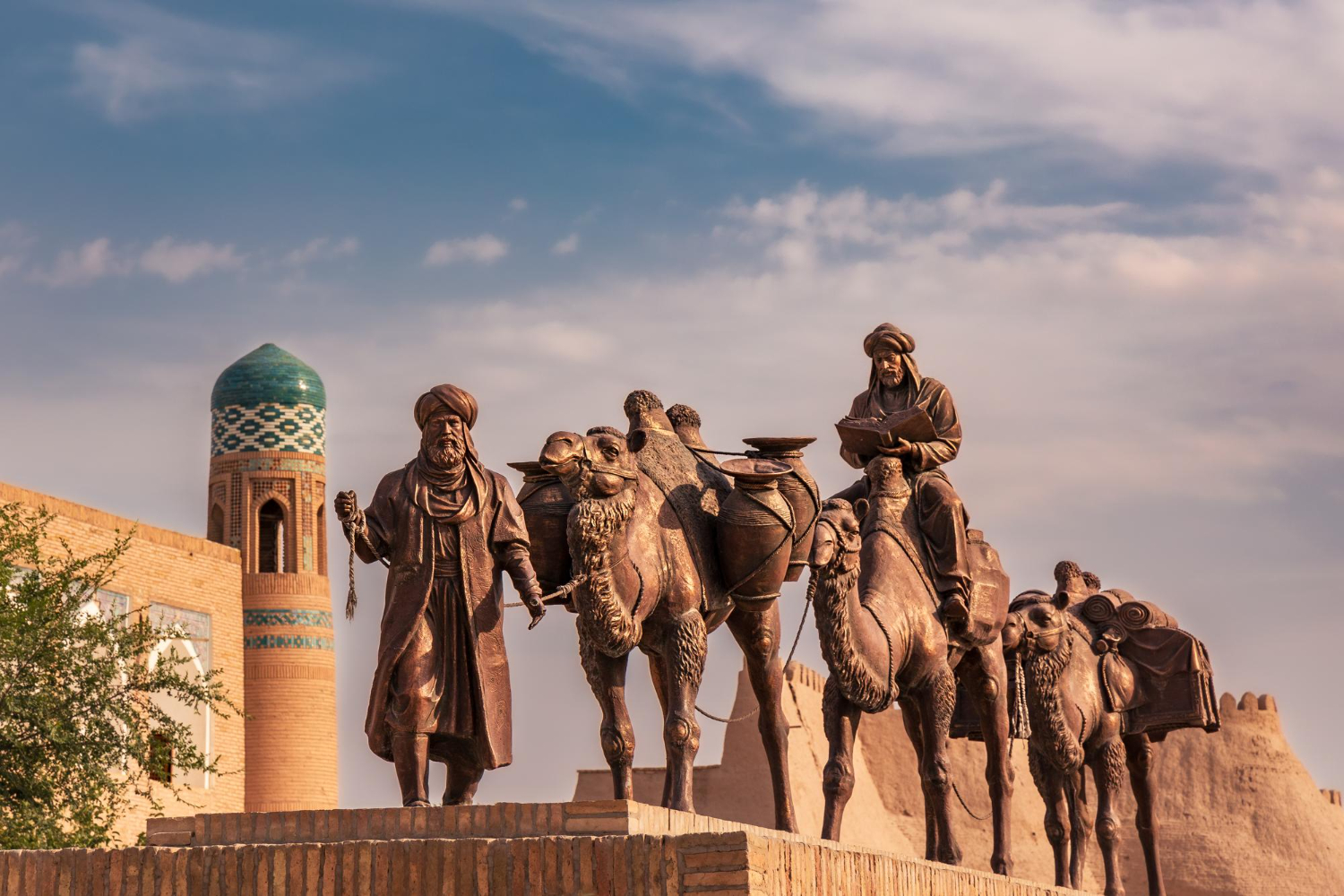
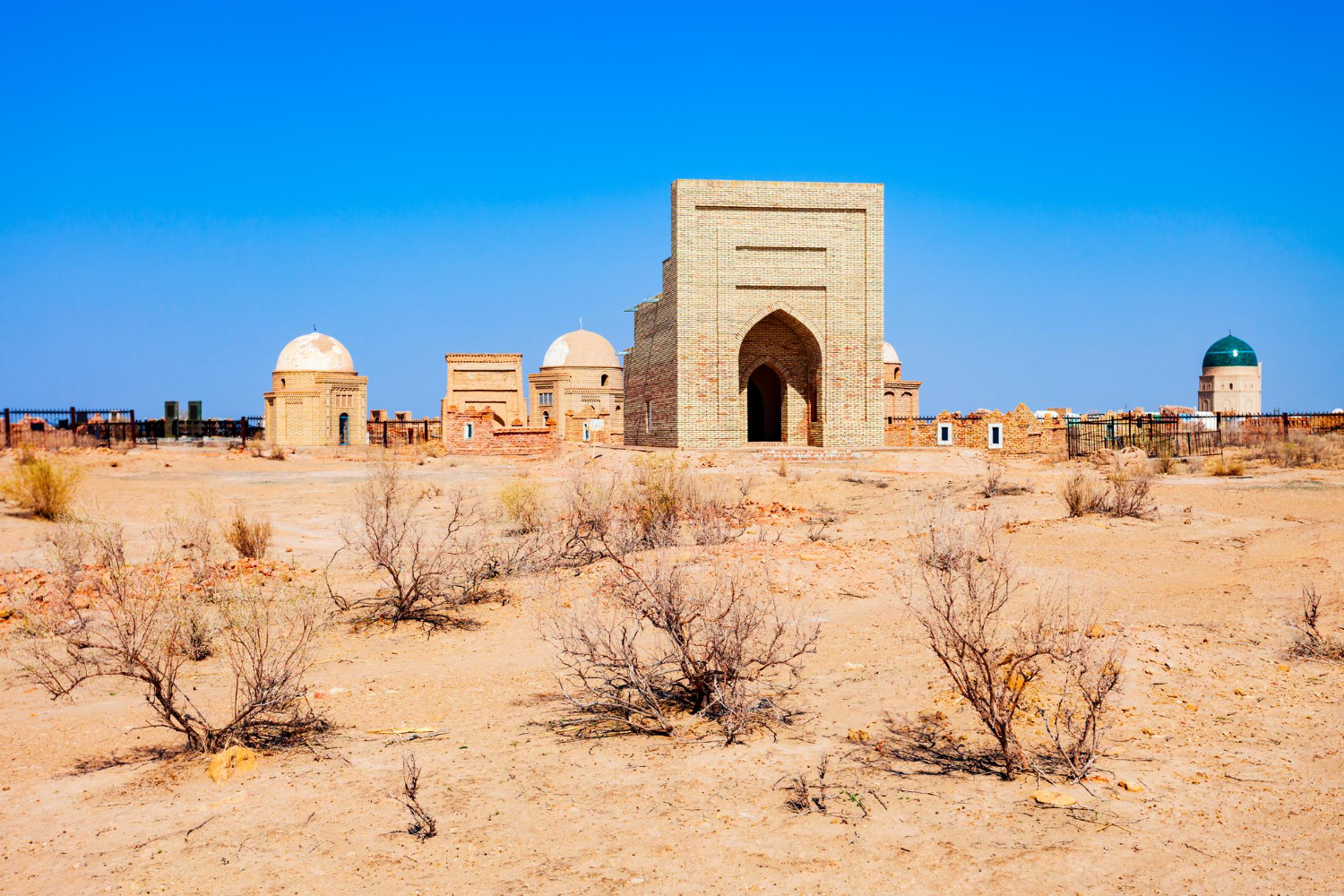
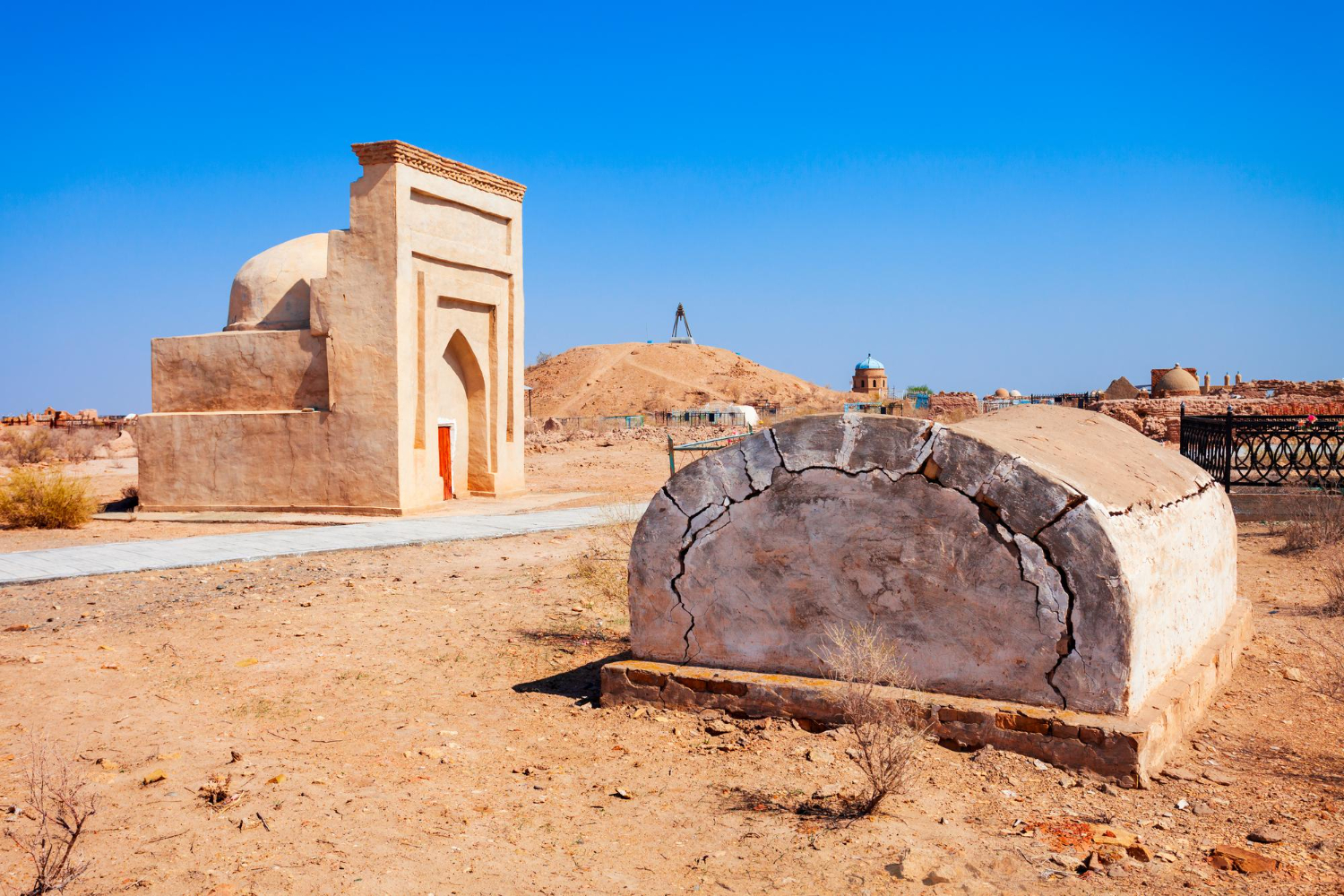
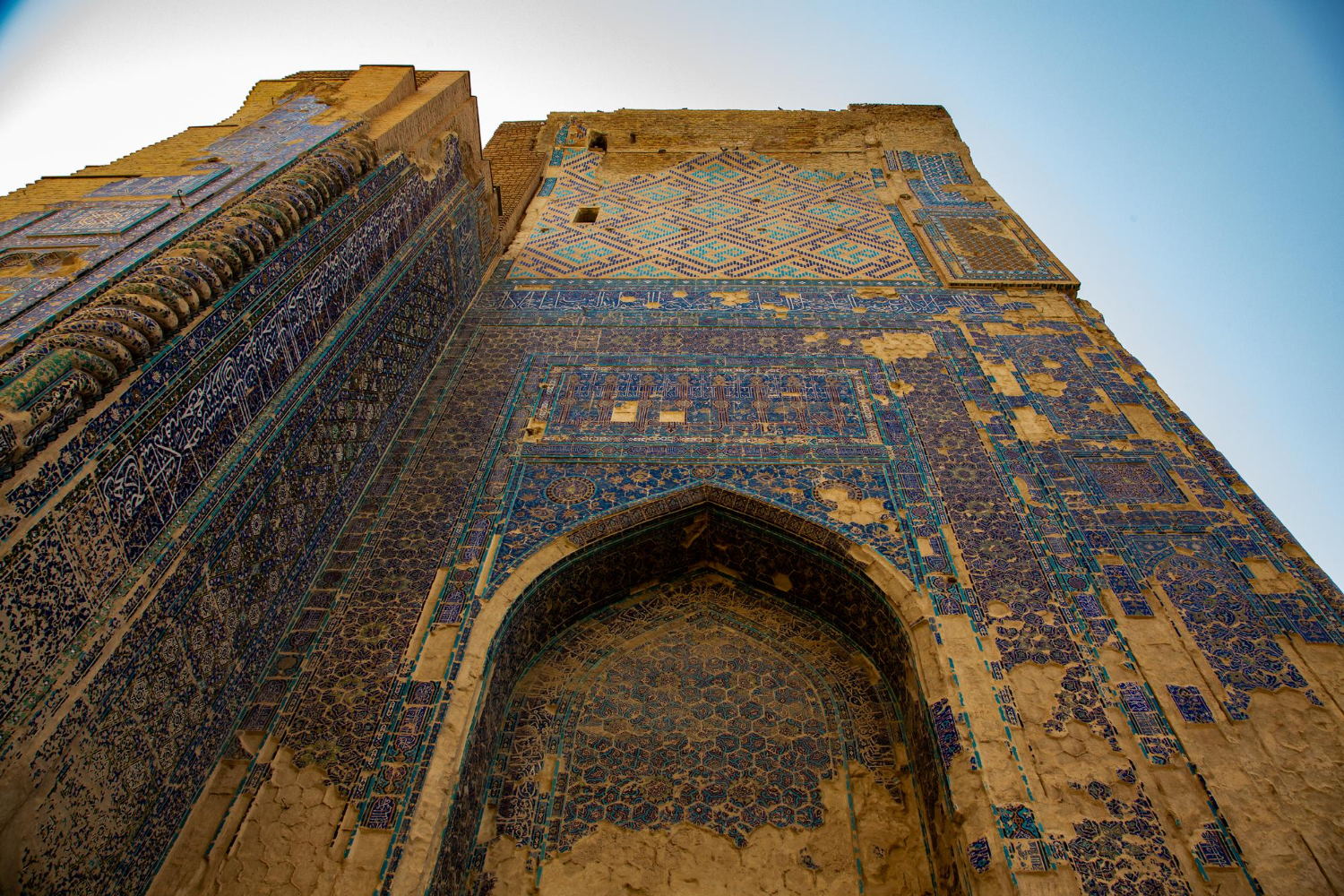
We explore the amazing corners of Uzbekistan, located off the beaten path. On this tour, you'll visit the stunning city of Khiva, an open-air museum. Soaring minarets, mosaic-adorned mosques and palaces, the ancient Kunya-Ark citadel, and the carved columns of the Juma Mosque—all this is Khiva! We'll then head to archaeological sites that tell the story of ancient civilizations and one of the earliest religions on the planet, Zoroastrianism—the Ayaz-Kala settlement and the Toprak-Kala fortress. You'll also see the ship graveyard that formed in the city of Muynak due to the catastrophic shallowing of the Aral Sea, and the saxaul-covered Aralkum desert, which emerged from the bottom of the receding body of water. In the 200-hectare Mizdahkan necropolis, you'll be amazed by the intertwining of eras and religions—for, according to legend, this is the tomb of Adam, the first man in the Christian tradition, and Gayomard, the first man according to Zoroastrian beliefs.
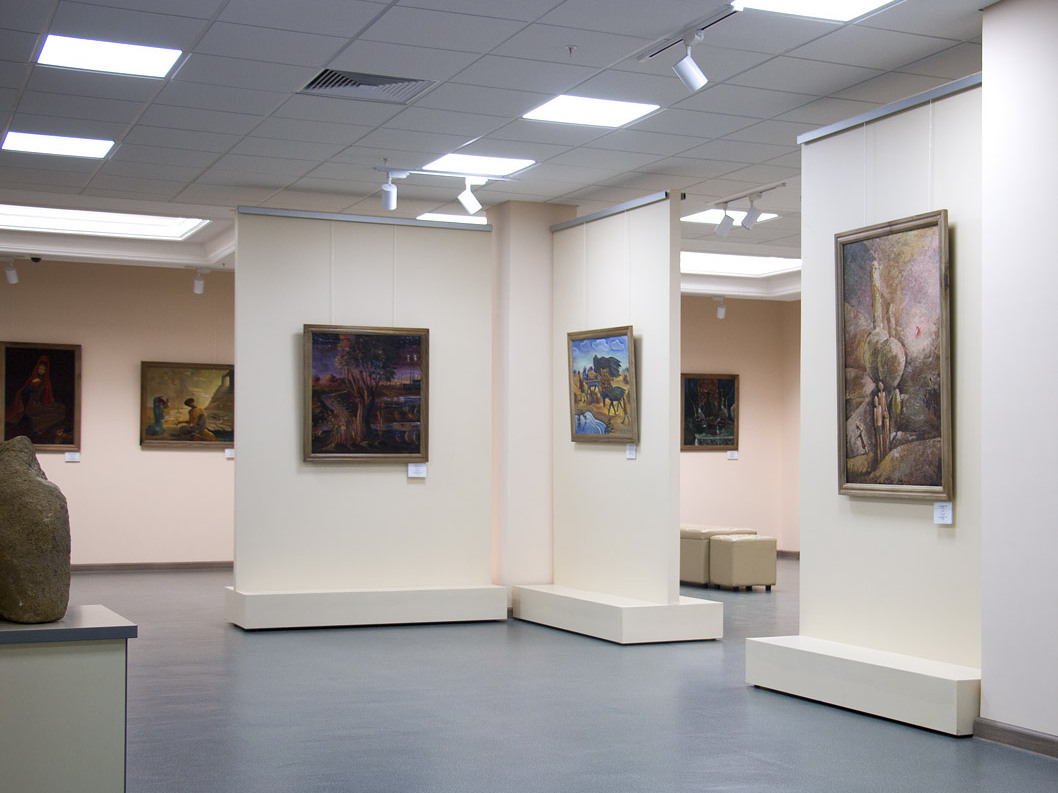
During your journey, you'll learn not only about the history of the region but also about the culture and life of the Karakalpak people. This Turkic-speaking people has inhabited western Uzbekistan since ancient times, and its largest center is the city of Nukus. In Nukus, we'll also visit a remarkable museum, known as the "Louvre in the desert." It houses over 9,000 unique exhibits, including an extensive collection of Russian avant-garde paintings from the early 20th century.
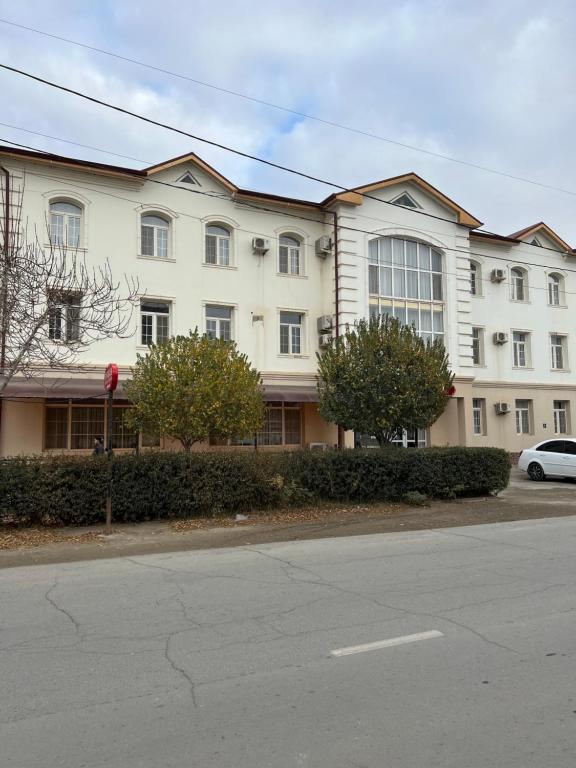
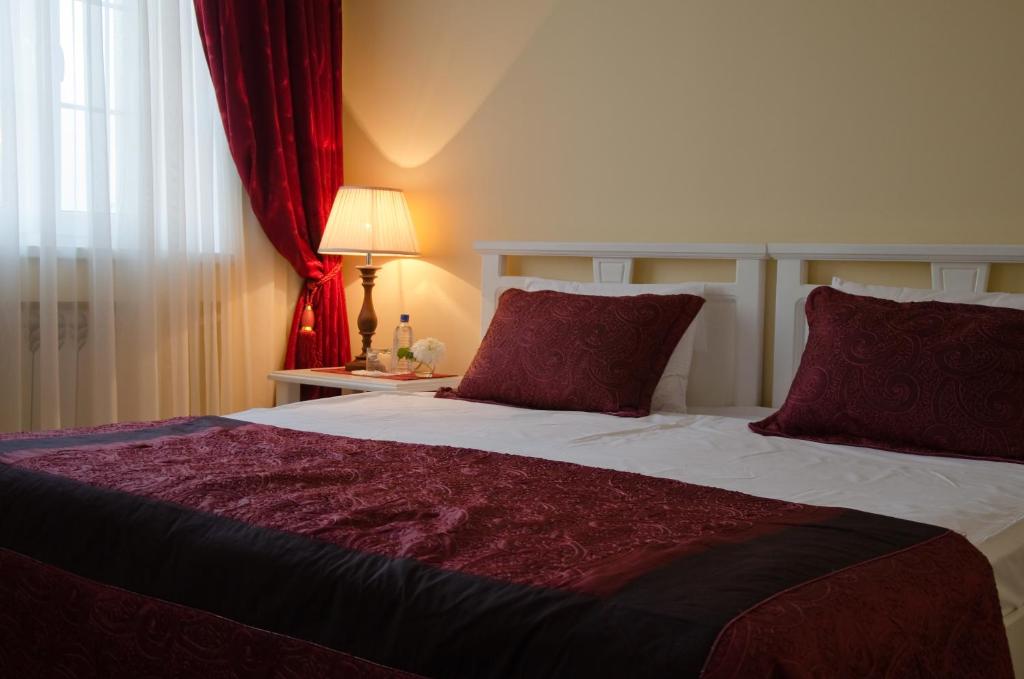
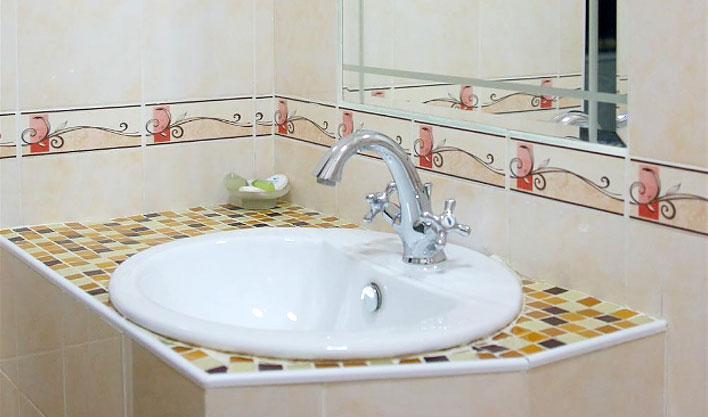
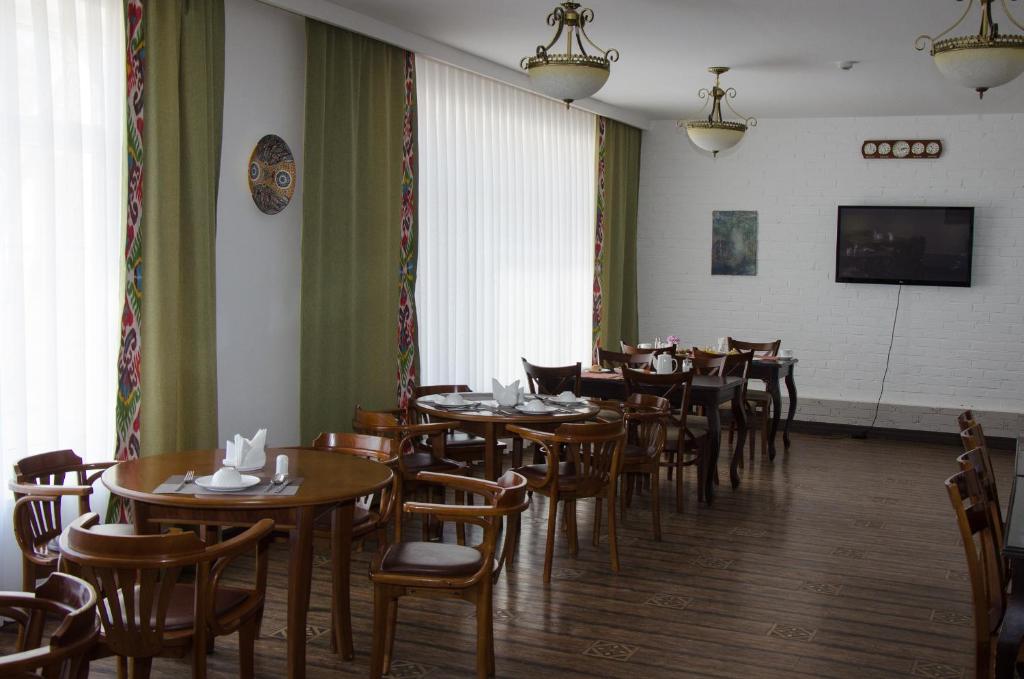
A small hotel (only 21 rooms) located within walking distance of the northern gate of the Ichan-Kala fortress. Its location makes it ideal for leisure travelers. Shokh Jahon opened in 2016 and is decorated in a classic style with a national flavor. Guests especially appreciate the soundproofed rooms, the friendly staff, and the varied and delicious breakfasts.

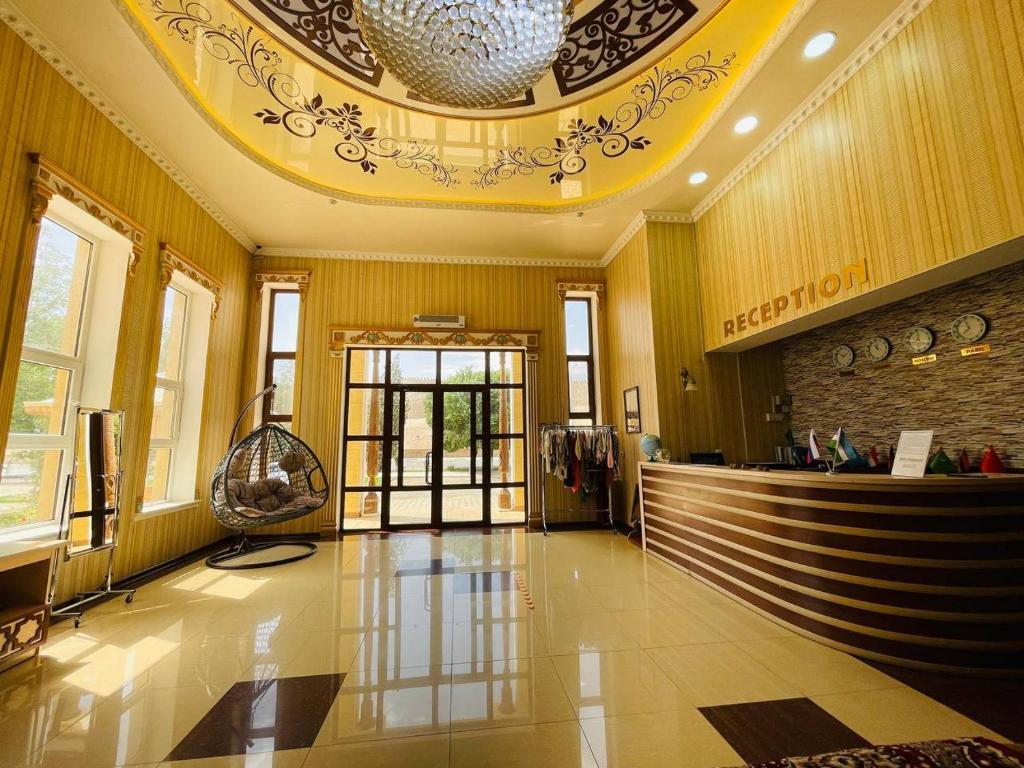

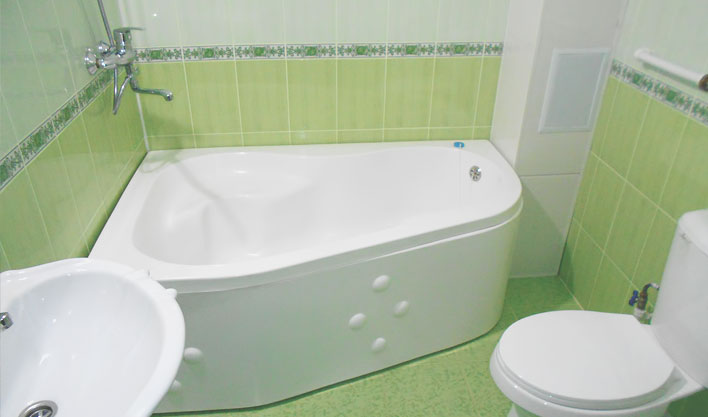

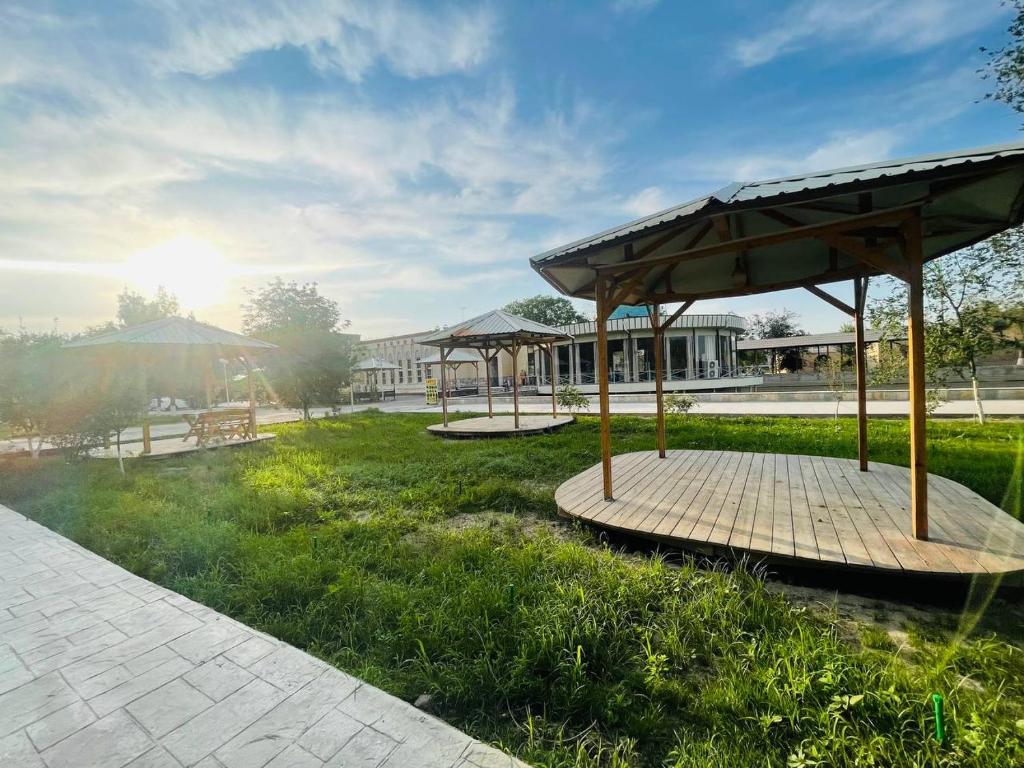
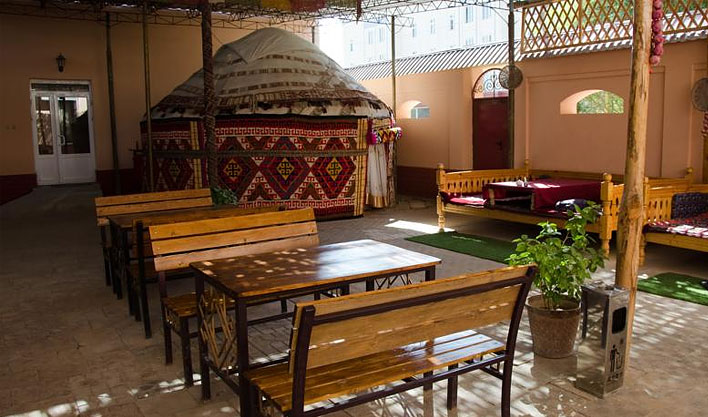
A hotel in the unique, authentic style of the Karakalpak people. The name means "Silk Road," and its historical heritage is reflected in the interior design, room decor, and many interesting details. You'll rest on handcrafted beds and see traditional household items: a tandoor oven, an arba, and even a real yurt!



On the first day of the tour, we'll meet you at Urgench airport. We'll then transfer to Khiva—a 40-kilometer drive, about an hour, in a comfortable, air-conditioned vehicle. The specific vehicle will depend on the group size. Khiva is a fascinating city whose streets will transport you back in time, to a mysterious and colorful oriental fairytale. It's one of the remnants of the ancient Khorezm Kingdom, lost in the desert. After checking into your hotel (from 2:00 PM), you'll have time to rest and acclimatize, or, if you wish, explore Khiva on your own.

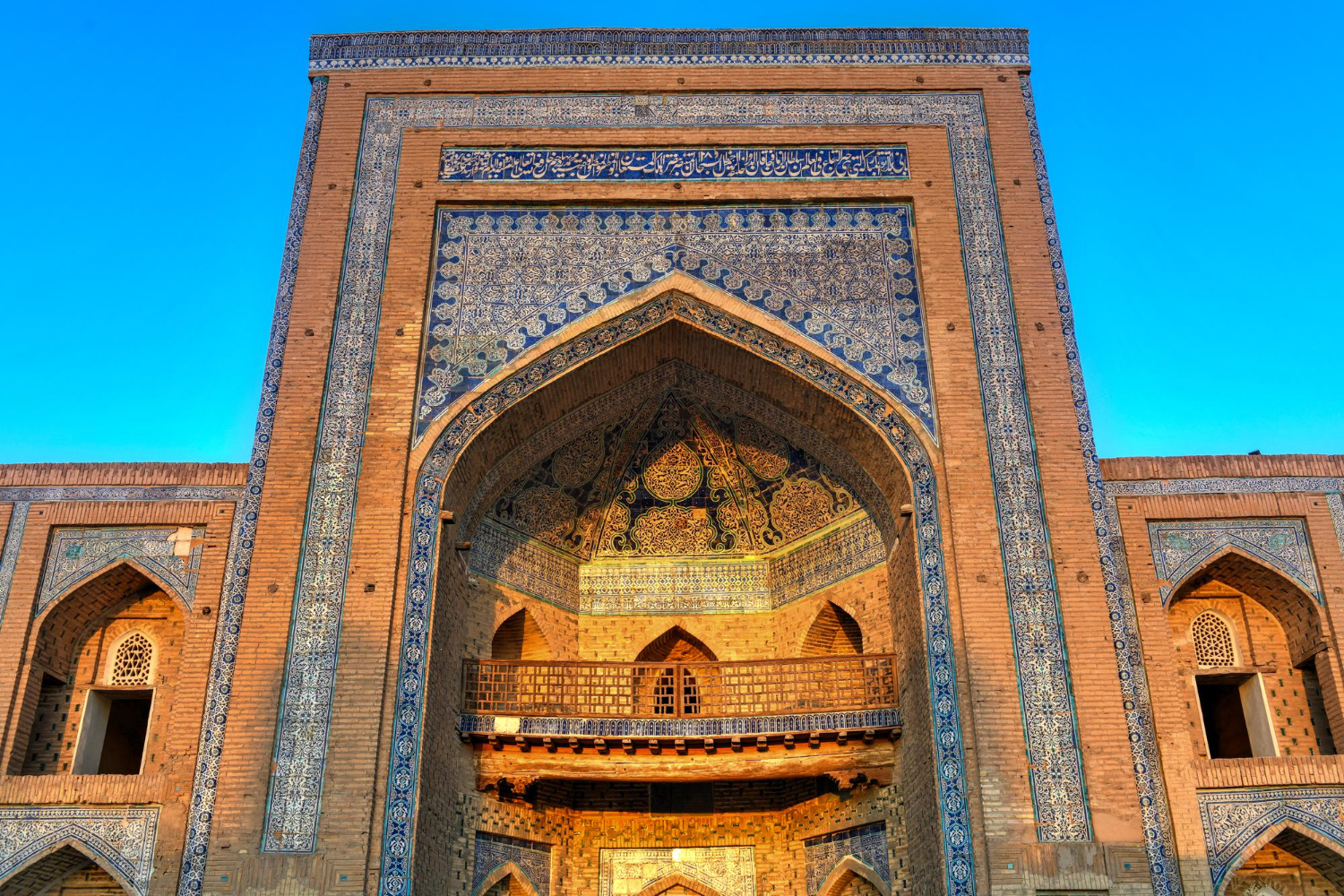
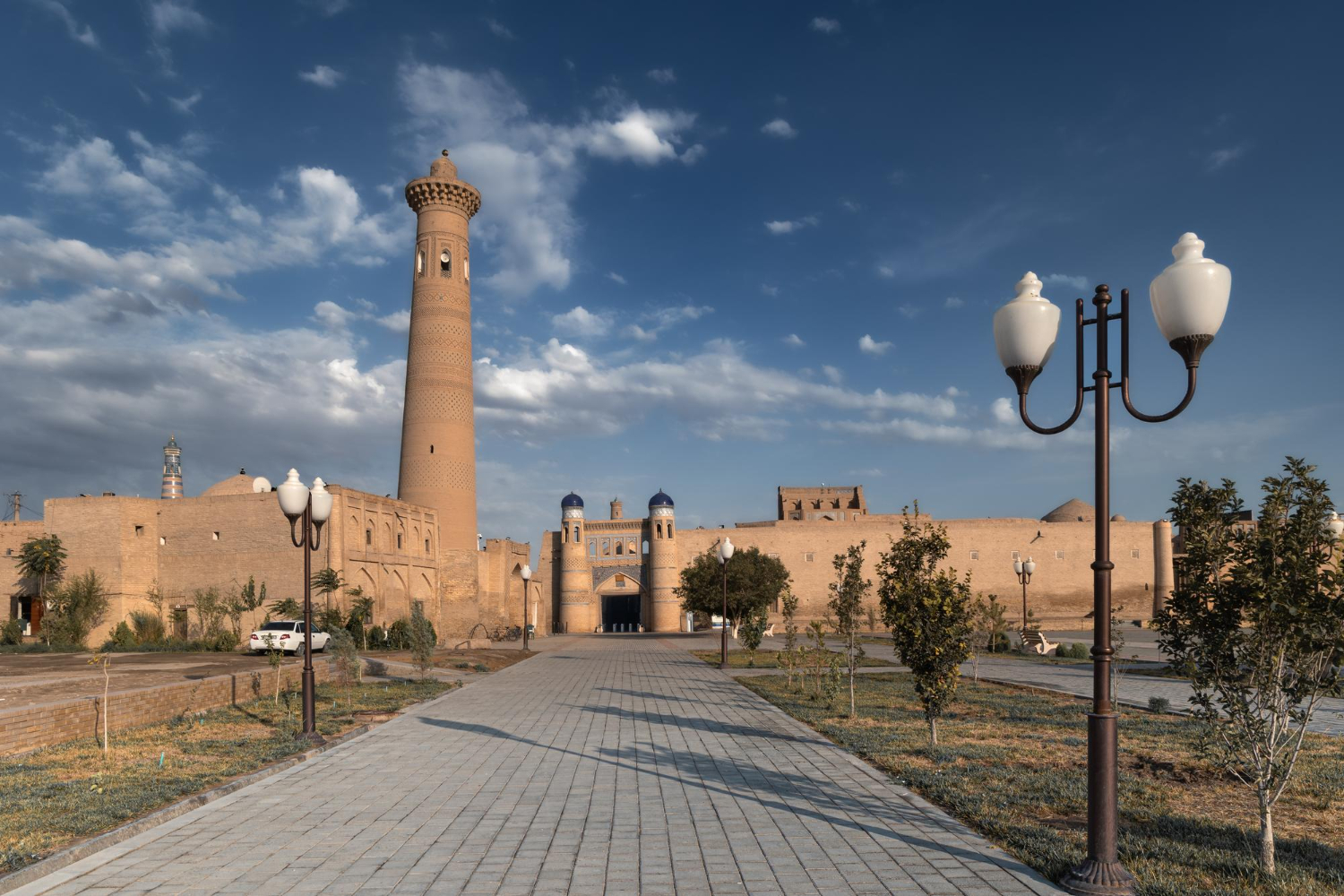
After breakfast, we'll explore the inner city of Ichan Kala. Here, monuments of the past, built over centuries, await you at literally every turn. Ichan Kala is the first World Heritage Site in Central Asia. Strolling along the ancient streets within the mighty fortress walls, you'll see the majestic architectural complex of Pakhlavan Mahmud with its majolica cladding and elegant ornamentation, the city's tallest minaret, the unusual Juma Mosque with its carved wooden columns, and the Tash-Khauli palace complex, where the khan and his harem lived. We'll also visit the monumental Kunya-Ark fortress, which can literally be called a "city within a city.".

Today, you'll see two unique archaeological sites. First, we'll visit the ruins of the Ayaz-Kala settlement. These fortifications were built in the 3rd-2nd centuries BC, during the Zoroastrian era. A labyrinth protects the entrance to the fortress, and the remains of its impressive ancient walls evoke thoughts of both the transience of time and how human creations outlive their creators for centuries. Next, you'll explore the Toprak-Kala fortress, built at the beginning of the Common Era. Excavations revealed that the palace contained 150 halls and rooms, most of which were decorated with masterpieces of painting and sculpture. Toprak-Kala was the first capital of the ancient state of Khorezm.
We'll have lunch by the picturesque Lake Akhchakol, and then continue to the city of Nukus.

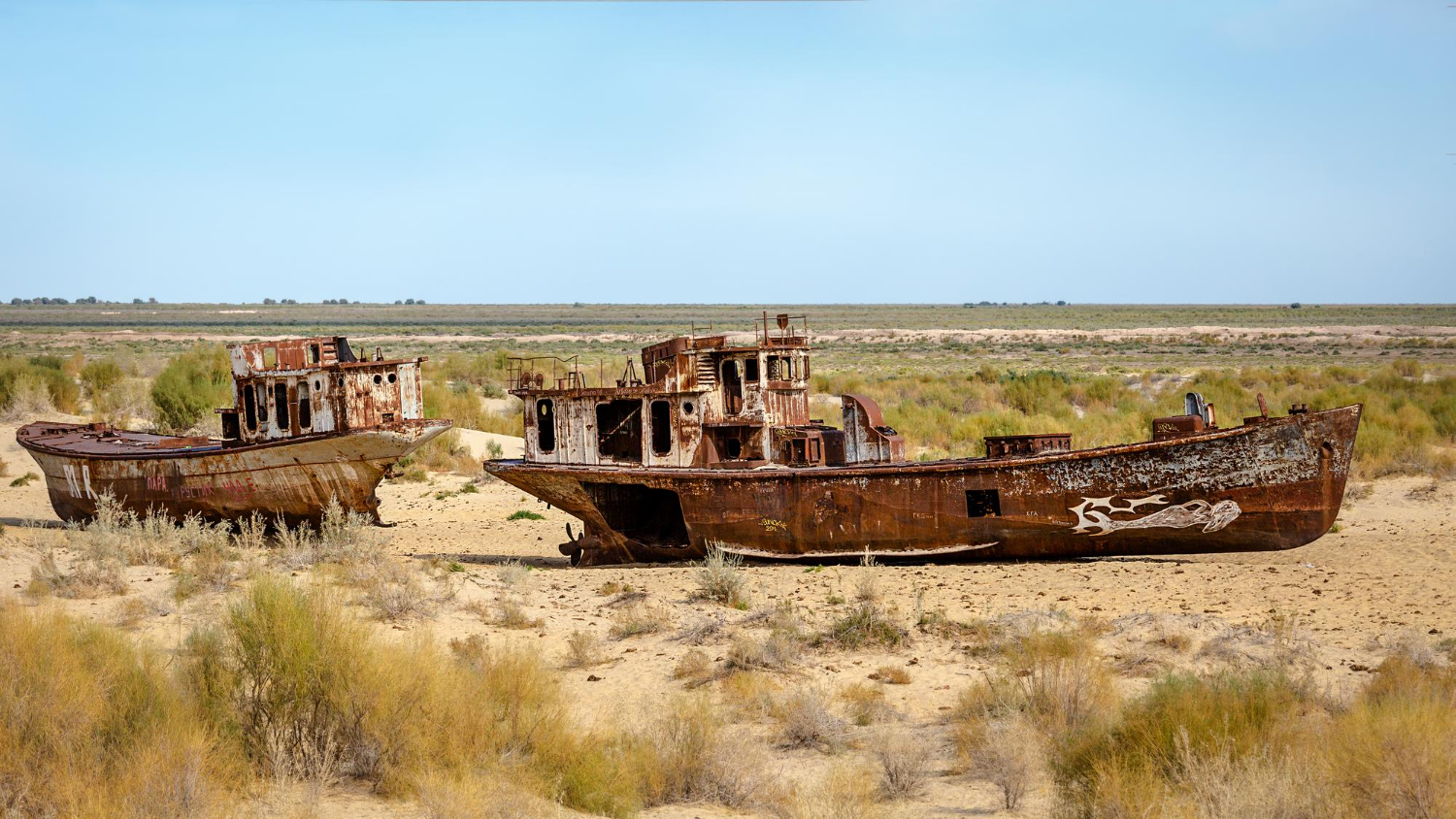
In the morning, we'll head to Muynak. Here, we can truly appreciate the scale of the environmental disaster—the dramatic shallowing of the Aral Sea. During Soviet times, Muynak was a fishing town, home to one of the largest fish canning factories in the USSR. However, due to the shallowing of the sea, caused by both natural causes and destructive human activities, the bustling harbor has become a wreck in the desert. A cemetery of ships that once lay in the port is also located here. We'll climb to an observation deck, from which we can see the seabed, now overgrown with tough, dry shrubs.
After lunch at a café, we'll head to the Mizdakhkan necropolis. Its grounds contain burial sites from various eras and religions, as well as two ancient fortresses. The necropolis is surrounded by legends: it is believed to be the tomb of Adam, the first man according to Christianity, or Gayomard, the first man according to Zoroastrian beliefs. Return to Nukus.

Nukus is the capital of the sovereign Republic of Karakalpakstan, part of Uzbekistan. Surrounded by the Kyzylkum, Karakum, and Aralkum deserts, the city is a vital center for the Karakalpak people, the republic's indigenous population. But Nukus offers more than just immersion in local culture and customs. Here, in an oasis amidst endless sands, lies a true gem, known as the "Louvre in the desert." The Savitsky Museum of Art houses a vast collection of paintings from the early 20th-century avant-garde, as well as exhibits relating to the life and culture of Ancient Khorezm—over 9,000 objects in total.
After a tour of the museum, we return to Khiva.
Transfer from Khiva to Urgench Airport. See you soon!
The program is designed for children aged 10 years and older.
The tour price does not include airfare or entrance to the Savitsky Museum. Dinners are included on all days, and lunches are included on all days except days 3 and 4.
Transportation depends on the group size, ranging from a Chevrolet Lacetti to a Eurise minibus and a Golden Dragon bus. All vehicles are air-conditioned.
Mostly short, 1-3 hours. On the fourth day of the program, we'll cover a total distance of 400 km, with lengthy stops in Muynak and the necropolis.
Breakfasts on all days, lunches on days 3 and 4.

Ask questions to the tour coordinator

Tour from an official tour operator from the Rostourism register