When planning a trip to Kamchatka, it's important for tourists to understand which sights are worth seeing and how to organize them: this isn't just a list of locations, but thoughtful planning. The Kamchatka Peninsula presents challenges even for experienced travelers. It lacks the usual European tourist infrastructure, and logistics are entirely dependent on the vagaries of the weather.
Where is Kamchatka and why is it the #1 travel destination?
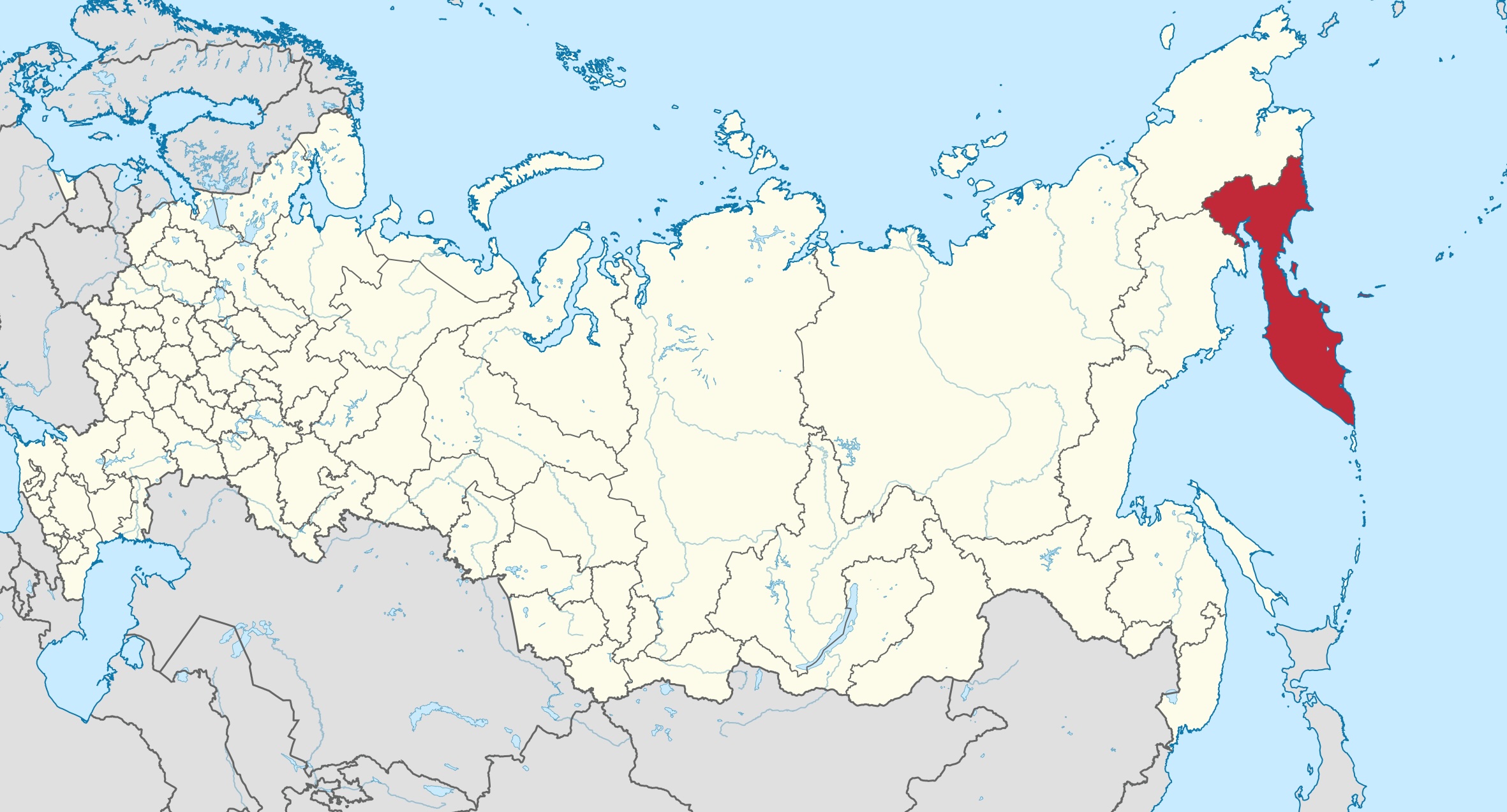
Geographically, Kamchatka is located in northeast Asia. The peninsula is washed by the Sea of Okhotsk in the west and the Pacific Ocean in the east., and along the east coast, the cold Bering Sea. Its extreme isolation defines its unique character: it's a wild land where infrastructure disappears beyond settlements. As you approach Petropavlovsk-Kamchatsky, volcanic cones appear one after another from the window, immediately establishing the scale of the trip. This concentration of wilderness and geological activity makes the region rightfully considered a prime expedition destination. If you're looking for a place with rugged nature, unadapted to mass tourism, you'll find it here.
Climate and geography of Kamchatka
The peninsula's geography dictates its own rules. The region is part of Pacific Ring of Fire, being one of the most volcanically active areas on Earth. Kamchatka's famous volcanoes, UNESCO World Heritage Sites, shape not only the unique, complex terrain but also the local weather. Kamchatka's climate is clearly divided into two zones: the coastal suboceanic zone with frequent fog and the central subcontinental zone with more extreme variations. During Kamchatka trekking, a clear, sunny day can change in a matter of minutes to a heavy drizzle and squalls. Nature here does not forgive frivolity.
How to get to the Kamchatka Peninsula and when to go
The peninsula has no land, rail or road connections whatsoever. mainland RussiaThe only practical option is by air. The main flights are handled by Yelizovo Airport, located near the regional capital. A direct flight from Moscow takes 8.5 hours, and from Vladivostok or Khabarovsk, approximately 3.5–4 hours. When planning your journey to Kamchatka, allow a day for acclimatization: the time difference with Moscow is 9 hours (Moscow UTC+3, Kamchatka UTC+12). After landing, the nine-hour time difference makes your body crave sleep in the bright morning sun. When deciding when to travel to Kamchatka, focus solely on your desired activities.
| Season | Pros | Cons | Top activities |
|---|---|---|---|
| Summer (July–September). | Stable weather; all routes are open. | High prices; helicopter slots are booked in advance. | Trekking; bear watching; boat trips. |
| Winter (January–April). | Dense snow cover; high chance of clear days. | Severe frosts; access to a number of locations is closed. | Heli-skiing; snowmobile transfers; winter surfing. |
| Off-season (May–June). | Low tourist traffic; no queues. | Impassable mud; avalanche danger on the passes. | Thermal springs; sightseeing flights without landings. |
Transportation within Kamchatka: car, SUV, helicopter
Logistics within the Kamchatka Krai region present a serious challenge for independent travelers. Ground transportation is clearly divided into categories. A standard car is suitable only for travel on asphalt. A prepared expedition 4x4 SUV with mud tires is essential for fording the rivers en route to the foothills of the volcanoes. Mobile coverage along the routes is limited, so pre-downloaded offline maps are essential, but even these are of little help on the washed-out tracks. Key natural attractions require aviation: helicopter tours (onboard Mi-8 or Bell aircraft) are the only chance to see Kuril Lake, a famous sockeye salmon spawning ground. Helicopters are critically dependent on weather conditions. Flights to the lake are often delayed for a day or more due to low clouds and fog. GO&DO books helicopter flight slots well in advance and adapts the program to weather conditions during the tour—this is what makes the difference between a successful trip and one that's ruined.
The main volcanoes of Kamchatka that are worth seeing
The volcanoes of Kamchatka are a fundamental goal of any expedition. UNESCO officially describes this region as one of the most outstanding volcanic regions of the worldWhen planning a volcano climb, remember this simple rule: the "just come and go" principle doesn't apply. These active volcanoes impose harsh requirements for logistics, equipment, and physical fitness. To make it easier to choose locations in Kamchatka, the volcanoes below are ranked by difficulty level.
- Avachinsky volcano - basic level.
- Gorely volcano - average level.
- Mutnovsky volcano - average level (difficult access).
- Tolbachik - high level (expedition format).
- Shiveluch - expert level (high danger).
- Klyuchevskaya Sopka - professional mountaineering.
Avachinsky and Koryaksky are volcanoes near the capital of the Kamchatka Krai.
Avachinsky Volcano (2,741 meters) and Koryaksky Volcano dominate the skyline of the regional capital. Avachinsky is the more accessible of the two. in the GO&DO program "The Best of Kamchatka" includes a jeep tour to Avachinsky or another volcano. A thick, storm-proof layer is required at the summit. The reward is a view of Petropavlovsk-Kamchatsky, Khalaktyrsky Beach, and the Pacific Ocean. Koryaksky (3,456 meters) is technically much more challenging, requiring mountaineering equipment and ice axes. It's not recommended for a basic introduction to the region's landscapes or a first trip outside the capital.
Mutnovsky and Gorely are the southern group of volcanoes
Mutnovsky Volcano (elevation 2,322 meters) and Gorely Volcano form the classic southern ridgeline. The journey from Petropavlovsk-Kamchatsky takes 3-4 hours in a well-equipped 4x4. Mutnovsky Volcano impresses with its concentration of geothermal energy: the trail passes through active fumaroles (gas-emitting fissures), mud pools, and finally reaches an acidic lake. The pungent smell of sulfur permeates jackets within minutes. Gorely Volcano is known for its caldera, which contains several acidic lakes. Safety in these areas of southern Kamchatka depends entirely on the qualifications of the guide.
The Vachkazhets Massif and Zelenovskie Springs – a trek for mountain lovers
The Vachkazhets mountain range is an ideal trek in Kamchatka for those seeking alpine landscapes. This one-day route is moderately difficult and avoids extreme elevation changes. The main visual highlight of the trek is a picturesque mountain lake. After the icy winds on the passes, it's wise to end the Kamchatka trek in warm weather. On the return journey, tourists traditionally visit the Zelenovsky thermal springs to recuperate.
The Klyuchevskaya group and Tolbachik are giant volcanoes
Klyuchevskaya Sopka (a stratovolcano with a height of 4,850 meters) is officially recognized as the highest active volcano in Eurasia. Access requires a grueling multi-day expedition or an expensive overflight on a Mi-8 helicopter. To the south lies the Tolbachik volcanic massif. Large-scale fissure eruptions have transformed its base into a black, lunar landscape covered in scoria. GO&DO programs offer a helicopter flight to Tolbachik on the same day as the Valley of Geysers. It is here that the Dead Forest is located—a surreal area where dead, dry tree trunks emerge from a multi-meter layer of ash. The feeling of complete isolation from civilization in northern Kamchatka is heightened by the distant Shiveluch, one of Kamchatka's most active volcanoes.
The Valley of Geysers and the Thermal Wonders of Kamchatka
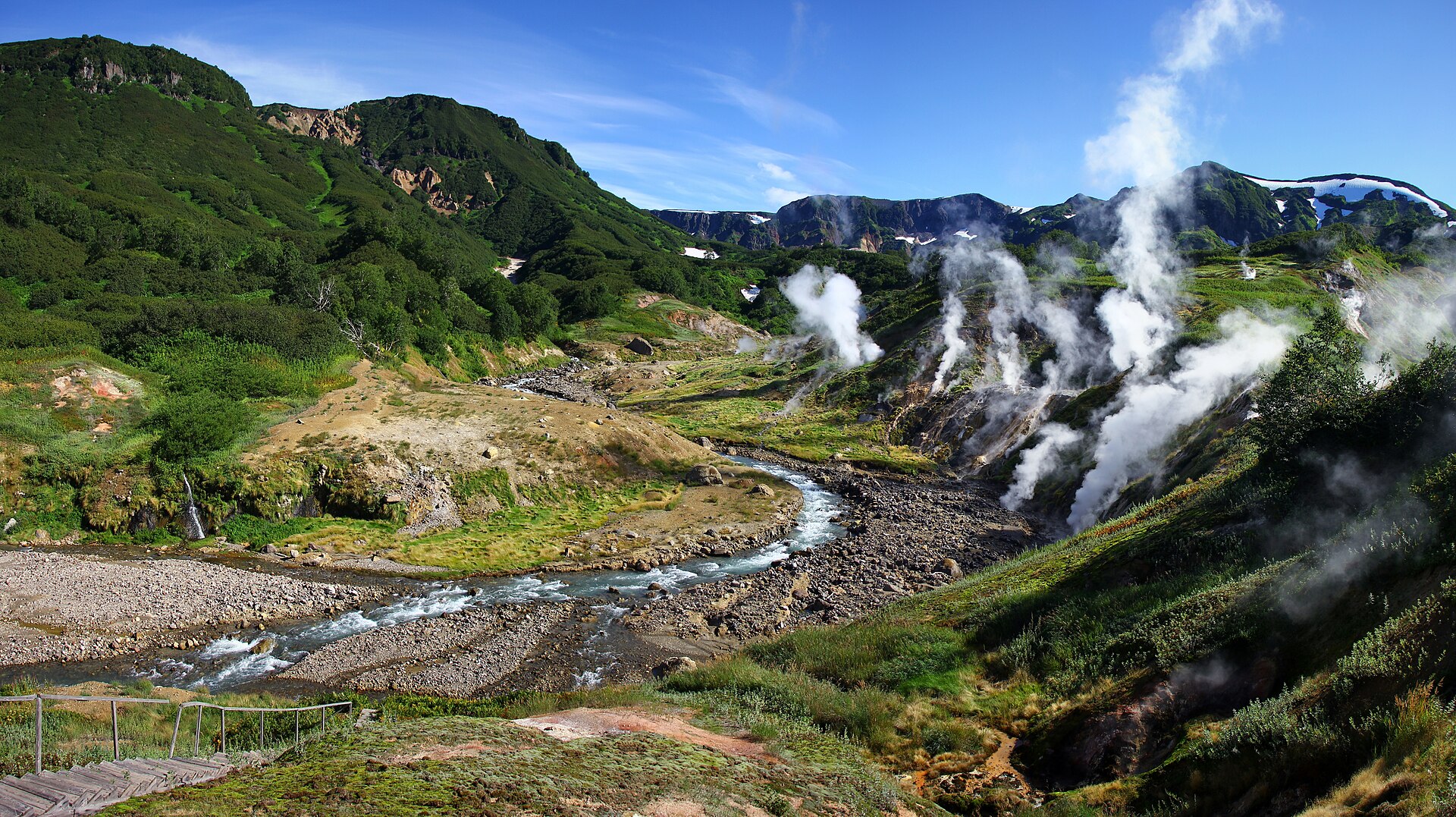
After volcanic ascents, the second priority is the Valley of Geysers. This unique site is located in an area strictly protected by the Kronotsky Nature Reserve. Independent overland access is available. prohibited by lawVisits are only possible via an authorized helicopter tour. A flight over the valley requires advance booking, but the spectacle of pulsating fountains of boiling water makes it worth the effort. Logistics on the peninsula are unforgiving, so it's best to entrust them to experts. The GO&DO "Best of Kamchatka" program (9 days) includes a Mi-8 helicopter ride to the Valley of Geysers or Kuril Lake for bear watching, a jeep tour of Mutnovsky Volcano, accommodations in top hotels, jeep transfers, a tour coordinator, and guides on excursions. Prices start from 585,000 rubles per person for a group of four adults.
Uzon Volcano Caldera
The standard helicopter tour combines the geysers with a neighboring geological feature—the Uzon Caldera, a depression of volcanic origin. The area, controlled by the Kronotsky Nature Reserve, contains over 500 hydrothermal vents. The trail runs strictly along wooden boardwalks through bubbling mud pots and fumaroles. During the mandatory briefing, the guide explains the rules: stepping outside the trail risks falling into boiling sulfur- and metal-containing waters, and the wind periodically blows toxic fumes.
Karymsky Volcano and the Maly Semyachik Crater Lake
A transit flight through the Kronotsky Nature Reserve includes an aerial view of the geological monuments of eastern Kamchatka. The active Karymsky stratovolcano according to NASA It is classified as the most active in the peninsula's eastern volcanic zone. Nearby, Maly Semyachik rises. Its crater contains a historically turquoise, acidic lake (pH ≈1). In recent years, the water's hue can change to a gray-blue. The contrast of the caustic liquid against the black rock provides a powerful visual anchor for the crater lake.
Hot springs of Paratunka and Karymshinsky springs
Thermal springs are used to restore muscle strength after trekking. There are two types on the peninsula. The Paratunka hot springs offer a well-developed infrastructure with concrete pools, changing rooms, and sanatoriums. This is the perfect choice for wellness in comfortable surroundings. GO&DO programs offer accommodations at the "Secrets of Kamchatka" hotels in Paratunka (with thermal pools and a sauna), "Laguna," "Northern Adventures," and "Ideal Cube." The Karymshinsky thermal springs are a complete contrast. These wild natural springs are accessible only by a specially prepared 4x4, and there are no services. For those who value experiences over comfort, the best attraction is the wild, hot, open-air rivers.
Kuril Lake and the peninsula's wildlife
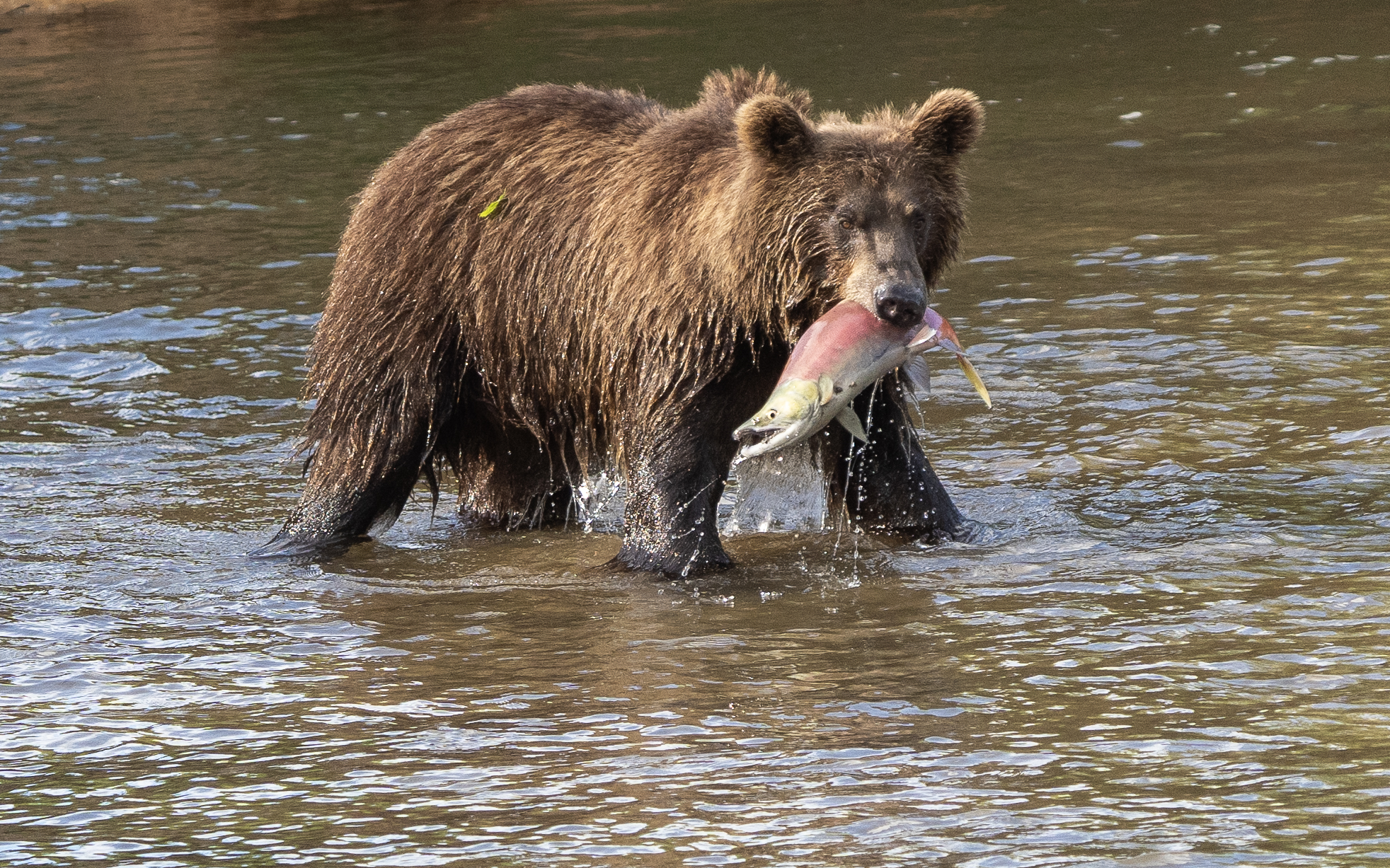
Kuril Lake is one of the largest salmon spawning grounds in Eurasia. Sockeye salmon migrate here en masse to spawn. This food supply creates a unique phenomenon: brown bears congregate here from July to September. The peninsula's wildlife is preserved in its pristine state. During spawning season, bears catch sockeye salmon right off the shore. You can observe them from special towers accompanied by an experienced guide. Reaching the southern shores by car is impossible; transfers are made exclusively by air. On the return trip, a helicopter lands at the Khodutkinskiye hot springs, where you can swim and have lunch.
Where else can you see Kamchatka's wildlife?
The brown bear is the symbol of the region, but Kamchatka's wildlife is far more than that. The Kronotsky Nature Reserve is home to wild reindeer and rare birds of prey. Black-capped marmots and red foxes, accustomed to the presence of trekkers, inhabit the Avacha Pass. If you venture into the waters, you can see Steller sea lion rookeries and the migratory routes of killer whales. This biodiversity makes the fauna unique for photographers.
Pacific Coast: Beaches, Bays, and Boat Trips
Coastal attractions provide a necessary contrast to the grueling volcanic routes. These locations are conveniently used as "recovery days" between strenuous physical activities. Kamchatka's Pacific coast offers a radically different experience. The basic route covers Khalaktyrsky surfing beach, a boat cruise across the Pacific Ocean, and the Kekura Three Brothers cliffs. Access to most of these locations is provided by Petropavlovsk-Kamchatsky. Boat cruises along Avacha Bay and to the remote capes of Kekurny and Svobodny depart from here. This diversity will satisfy both photographers and extreme water sports enthusiasts.
Khalaktyrsky Beach and surfing on black sand
The visual symbol of the region is Khalaktyrsky Beach. Its main feature is the deep, black volcanic sand that stretches for tens of kilometers. It's a popular surfing destination year-round. Conditions here are harsh: the water never warms up to comfortable temperatures. Water temperatures in summer range from 10–15°C, dropping to -3 to +4°C in winter. Underestimating the water temperature and wearing thin neoprene can easily lead to hypothermia. A maximum-protection wetsuit is essential in any season.
Avacha Bay, Three Brothers, and sea fishing
Classic boat cruises depart from the port of Petropavlovsk-Kamchatsky. The route runs along Avacha Bay. At the exit of the bay, towering Kekura Three BrothersItelmen legend has it that these three brothers protected the bay from a destructive wave and were petrified forever. The boats then head out onto the water, where there's a high chance of encountering whales and orcas. A professional oceanographer is on board, and a seafood lunch is served. Sea fishing is also available, with the chance to catch flounder, sea bass, and pollock.
Cape Kekurny and Cape Svobodny are observation platforms at the ends of the earth.
For wildlife photographers, Cape Kekurny is an absolute must. Located on the east coast and accessible only by boat, it boasts a large sea lion rookery and dense bird colonies. If boating isn't an option, Cape Svobodny is an alternative. Petropavlovsk-Kamchatsky is located nearby, making it easily accessible. It's an excellent vantage point in Kamchatka for an evening visit. The cliff offers panoramic views of the vast Pacific Ocean, where the horizon merges with the leaden waters.
Petropavlovsk-Kamchatsky, the capital of the Kamchatka Krai: what to see in the city
Petropavlovsk-Kamchatsky is the region's austere base and gateway. Visually austere, the capital of the Kamchatka region has deep historical roots. It was this harbor that James Cook's expedition called at in 1779, and Kruzenshtern's expedition at the end of 1804. the first Russian circumnavigationA one-day walking route through the center of the regional capital allows you to cover the main sights:
- Mishennaya Sopka is a 60-minute walk from the center with panoramic views.
- Fleet Alley and the city's street art sites are a 20-minute walk away.
- The embankment, from where you can see Avacha Bay and the Three Brothers Kekur Mountains, is a 15-minute walk away.
- Kamchatka Museum of Local History – 30 minutes walk.
- "Vulcanarium" - 45 minutes walk.
Kamchatka Museums: Vulcanarium, Local History Museum
If cyclones have blocked travel routes, Petropavlovsk-Kamchatsky offers informative museums. The Vulcanarium Museum (34 Klyuchevskaya Street) is worth making your first stop on the first day. Understanding volcanism is crucial before heading into the mountains. Another must-see is KAmchatka Regional United MuseumIt houses an ethnographic collection that reveals the culture of the Itelmen and Koryaks, as well as the history of the development of the territory on which the city stands.
Cultural and ethnographic attractions of Kamchatka
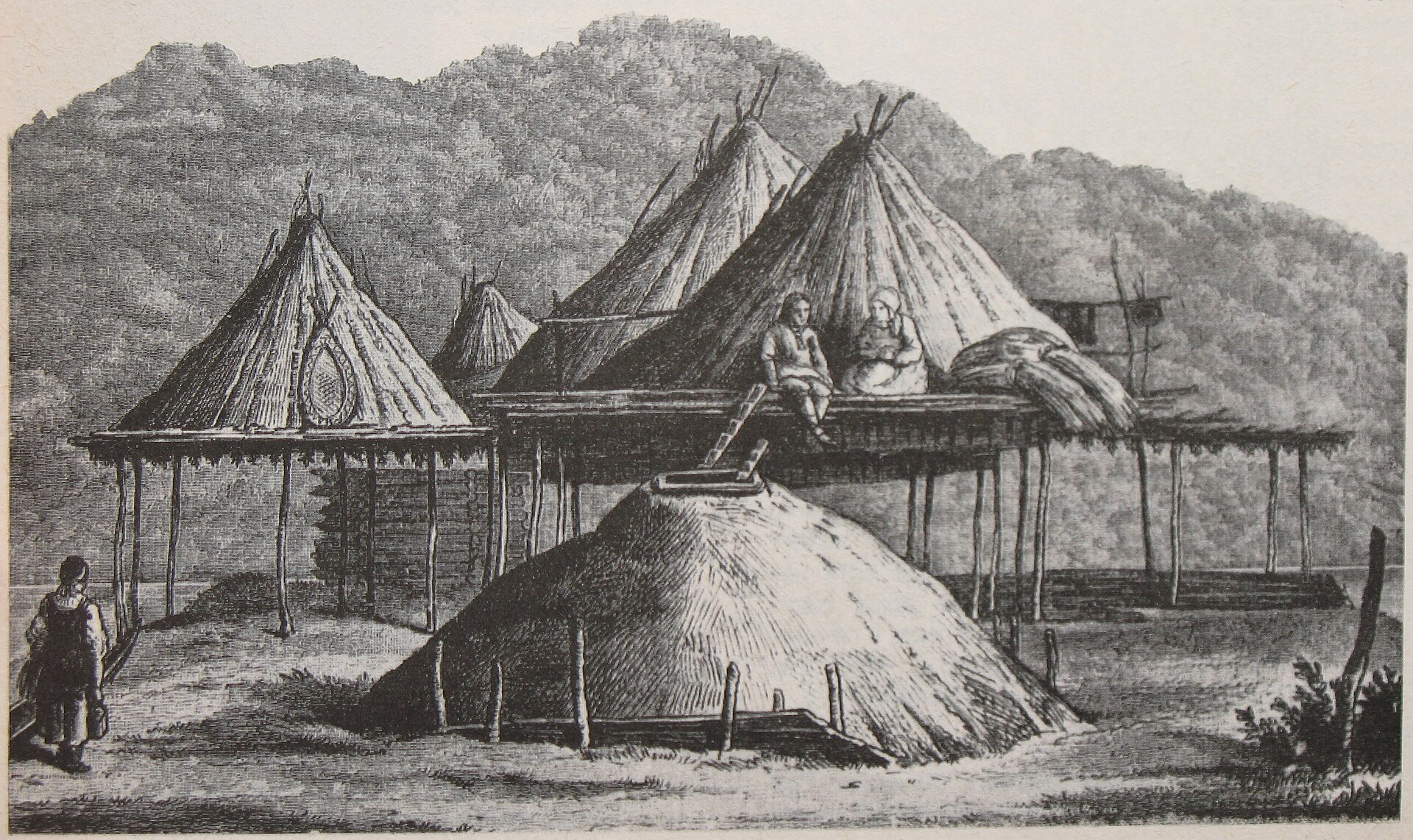
The culture of the peninsula's indigenous peoples—the Itelmens and Koryaks—is revealed through ethnographic natural monuments. Key points for exploring their historical way of life: Pimchakh in the Itelmen village museum in the open air in the village of Sosnovka, Yelizovsky District and TAnnaut, a Koryak ethnic village, Located near Petropavlovsk-Kamchatsky, the level of authenticity varies in these places, as they are spaces adapted for tourists. Nevertheless, they provide a necessary foundation for understanding how people survived in the extreme conditions for which Kamchatka is famous. The Kamchatka Regional United Museum also complements this picture with valuable archival artifacts. GO&DO programs also include a three-hour gourmet dinner featuring ten traditional dishes and a performance by an indigenous Kamchatka ensemble.
The village of Esso – the "Switzerland of Kamchatka"
For a more in-depth exploration, head to the village of Esso. This remote mountain village is known as the "Switzerland of Kamchatka" due to its pine forests and rocky terrain. Its main infrastructure feature is the widespread use of thermal springs for centralized heating of homes and greenhouses. A trip here is a 1-2-day detour from Kamchatka's main routes, but it allows you to see the lives of indigenous peoples in a natural, living environment, rather than within the confines of a museum exhibit.
Top 15 Attractions in Kamchatka
The table below summarizes all the locations in this article. If you're deciding which places to choose for your first trip, consider combining them. For your first trip, it's best to use GO&DO's ready-made programs: "The Best of Kamchatka" (9 days, from ₽585,000 per person), "VIP Kamchatka" (7 days and older, from ₽1,645,000), and "Kamchatka + Sakhalin" (9 days and older, from ₽650,000). Prices are per person for a group of four adults. Below are the parameters that determine the best places to visit.
| Name of the landmark | Access type | Time | Season | Complexity |
|---|---|---|---|---|
| 1. Valley of Geysers | Helicopter | Day 1 | July–September | Basic |
| 2. Kuril Lake | Helicopter | Day 1 | July–September | Basic |
| 3. Uzon Volcano Caldera | Helicopter | Day 1 | Summer–Autumn | Basic |
| 4. Klyuchevskaya Sopka | On foot/Helicopter | Multi-day | Summer | Expert |
| 5. Tolbachik (Dead Forest) | SUV | Multi-day | Summer | High |
| 6. Avachinsky Volcano | Car + Walking | Day 1 | Summer | Average |
| 7. Mutnovsky Volcano | SUV | Day 1 | Summer | Average |
| 8. Gorely Volcano | SUV | Day 1 | Summer | Average |
| 9. Vachkazhets Massif | Car + Walking | Day 1 | Summer | Average |
| 10. Khalaktyrsky Beach | Automobile | 0.5 days | All year round | Basic |
| 11. Avacha Bay (Three Brothers) | boat | 0.5 days | May–October | Basic |
| 12. Cape Kekurny | boat | Day 1 | May–October | Basic |
| 13. Paratunka | Automobile | 0.5 days | All year round | Basic |
| 14. Karymshinsky springs | SUV | Day 1 | Summer | Basic |
| 15. Petropavlovsk-Kamchatsky | On foot | 0.5 days | All year round | Basic |
What to take on a trip: what items and documents are needed
In the harsh conditions of Kamchatka, proper gear is crucial. Forgetting a windproof layer on a climb can easily lead to hypothermia and the failure of a route. Here's a checklist for packing for the trip:
- Membrane jacket and pants (windproof and waterproof layers).
- Worn-in trekking shoes with rigid ankle support.
- Thick wetsuit (required for surfing).
- Extended medical insurance with mandatory coverage for mountain and helicopter activities.
IMPORTANT. Basic safety precautions include strict Kamchatka rules. Drinking unboiled river water is prohibited due to the risk of infection. If you encounter a brown bear on the trail, running is prohibited. You must group with your guide, raise your backpacks to increase their visibility, and walk away slowly, without turning your back.
Frequently Asked Questions
What is a must-do in Kamchatka?
The bare minimum for the trip is to see the Valley of Geysers from a helicopter, visit a volcano, such as Mutnovsky, and bathe in thermal springs.
Without these basic points, the logistics of your trip will be unjustified, and the expedition itself will be considered incomplete.
What month is the best time to visit Kamchatka?
The ideal climate window for a trip is from mid-July to early September. During this short period, the weather is most stable, helicopter tours are less likely to be cancelled due to impenetrable fog, and Kuril Lake attracts the largest number of brown bears coming to spawn sockeye salmon.
Is it possible to travel around Kamchatka on your own?
An independent trip to Kamchatka is a serious logistical challenge. Most natural sites are reached by dirt roads and fords, and cell phone coverage is limited. Without prepared transportation and an experienced guide, it's easy to get stuck on a muddy route or encounter wild animals without proper preparation. GO&DO takes care of the organization: transfers in prepared jeeps, helicopter excursions, and guided tours.
Which natural attractions in Kamchatka should you visit first?
In Kamchatka, you should first reserve slots for hard-to-reach sites with strict quotas: the Valley of Geysers and Kuril Lake. Only then can you add Avachinsky Volcano and reserve days for boat excursions in the Pacific Ocean to your schedule.
Where are the main hot springs of Kamchatka?
The most accessible location with developed infrastructure is Paratunka, with its comfortable concrete pools. For those who appreciate the harsh wilderness, the Karymshinsky thermal springs are ideal, but reaching them requires a long drive in specially prepared jeeps through fords and mud. The Khodutkinsky hot springs are part of the helicopter route to Kuril Lake.
How many days does it take to get to Kamchatka?
The minimum length of a Kamchatka tour is 8 days, with 10–12 days being optimal: this leaves ample time for downtime due to weather, acclimatization after changing time zones, and helicopter excursions during safe flight windows. GO&DO's ready-made programs are designed for periods of 7 days and longer.
Do you need a guide in Kamchatka?
Yes: the guide is responsible for navigation off-marked trails, the group's actions in the event of a bear encounter, and adjusting the itinerary if the weather at the passes deteriorates sharply. In GO&DO programs, guides accompany guests on all excursions.
Conclusion
Any trip to Kamchatka is a logistical and physical challenge. You can't just show up and decide where to start exploring Kamchatka. If you want to explore key locations without disrupting your schedule, you need to book helicopter slots and guides in advance.
That's why GO&DO takes full responsibility for the logistics, which requires tourists to check weather forecasts daily and book helicopter slots themselves: slots are reserved in advance, and the program is adapted to the weather during the tour. Kamchatka forever changes our perception of nature—it's precisely for this feeling of absolute isolation from civilization that you want to return. Submit a request, and GO&DO will tailor a program to suit your dates.
Sources
- Kamchatka Peninsula // Britannica. britannica.com
- Kamchatka // Wikipedia. ru.wikipedia.org
- Time in Russia // Wikipedia. ru.wikipedia.org
- Volcanoes of Kamchatka // UNESCO World Heritage Centre. whc.unesco.org
- Tallest Active Volcano in Eurasia // Geography Realm. geographyrealm.com
- Valley of Geysers // Wikipedia. ru.wikipedia.org
- Karymsky Volcano, Kamchatka // NASA Science. science.nasa.gov
- Maly Semyachik // Wikipedia. ru.wikipedia.org
- Surfing in Kamchatka: A Complete Guide to Khalaktyrsky Beach // Radiotochki. radiotochki.net
- Three Brothers (Kamchatka) // Wikipedia. ru.wikipedia.org
- Petropavlovsk-Kamchatsky // Wikipedia. ru.wikipedia.org
- Vulcanarium // Official website. vulcanarium.com
- Museum collections // Kamchatka Regional United Museum. kamchatka-museum.ru
- Itelmen village "Pimchakh" // Soul of Russia. soul-of-russia.ru
- Koryak ethnic village "Tanynaut" // Photo of Petropavlovsk. fotopetropavlovsk.ru