The Kola Peninsula is a harsh Arctic territory in the Murmansk region with an area of 100,000 km²This article is a priority map for those planning a trip to northern Russia. The region's shores are washed by the Barents Sea, located on the edge of the Arctic Ocean, and the inland White Sea. As you explore the region's attractions, remember: Russia's Arctic requires exceptional preparation. If you find yourself in this region without a professional guide, you risk getting stuck in the snow.
When you choose a tour, you get everything you need for a great vacation:
- analysis of climate zones and selection of the optimal season for the first trip;
- detailed analysis of protected natural sites and mountain ranges for inclusion in the route;
- practical aspects of complex logistics on the coast and in the tundra;
- Ready-made scenarios for safe expeditions with expert support.
The Kola Peninsula: Where It Is and What Makes It Special
The peninsula is located in extremely harsh latitudes, but its nature is strikingly different from the rest of Russia's icy wasteland. It is located entirely in the Murmansk region. The local subarctic climate moderates the warm North Atlantic Current, so the Kola Bay remains ice-free year-round. Its southern border is bordered by Kandalaksha Bay. March is the best time to visit: daylight hours are long, and the snow cover is suitable for snowmobile routes. Venturing into the Arctic on your own is high-risk; logistics are best left to experienced operators.
Geographical characteristics of the Russian region:
- the area of the territory is 100,000 km²;
- geographic coordinates of the center: 67°41′N 35°56′E.
The northernmost point of the Kola Peninsula and climatic contrasts
The Arctic Circle determines the alternation of polar night and polar day, and the temperature contrast on the peninsula is determined by the influence of the current. The coast, washed by the Barents Sea, is warmer due to the current, while the interior regions of the Arctic Circle are constrained by continental cold. The polar night on the peninsula lasts 40 days—from December 2 to January 10. In turn, polar day The average annual rainfall is 62 days—from May 22 to July 22. Even in August, evenings near the water are noticeably cooler than in central Russia, which perfectly characterizes the climate of the Kola Peninsula.
Cape Nemetsky on the Rybachy Peninsula is considered the northernmost point of the Kola Peninsula. The White Sea freezes over, further exacerbating the temperature difference.
IMPORTANT. Attempting to reach the northern capes in a rented SUV easily ends in a multi-hour evacuation from the tundra. Such routes require specialized off-road vehicles and knowledge of deep fords.
Natural attractions of the Kola Peninsula
The peninsula's natural landscape offers a sharp contrast, with the harsh coastal landscape giving way to lush taiga and tundra. Here, different zones alternate: mountains above the Arctic Circle, arctic wilderness, and strict nature reserves. The key landmarks for travelers here are the ancient Khibiny Mountains and the Lapland Nature Reserve.
Khibiny – the mountain heart of the Arctic
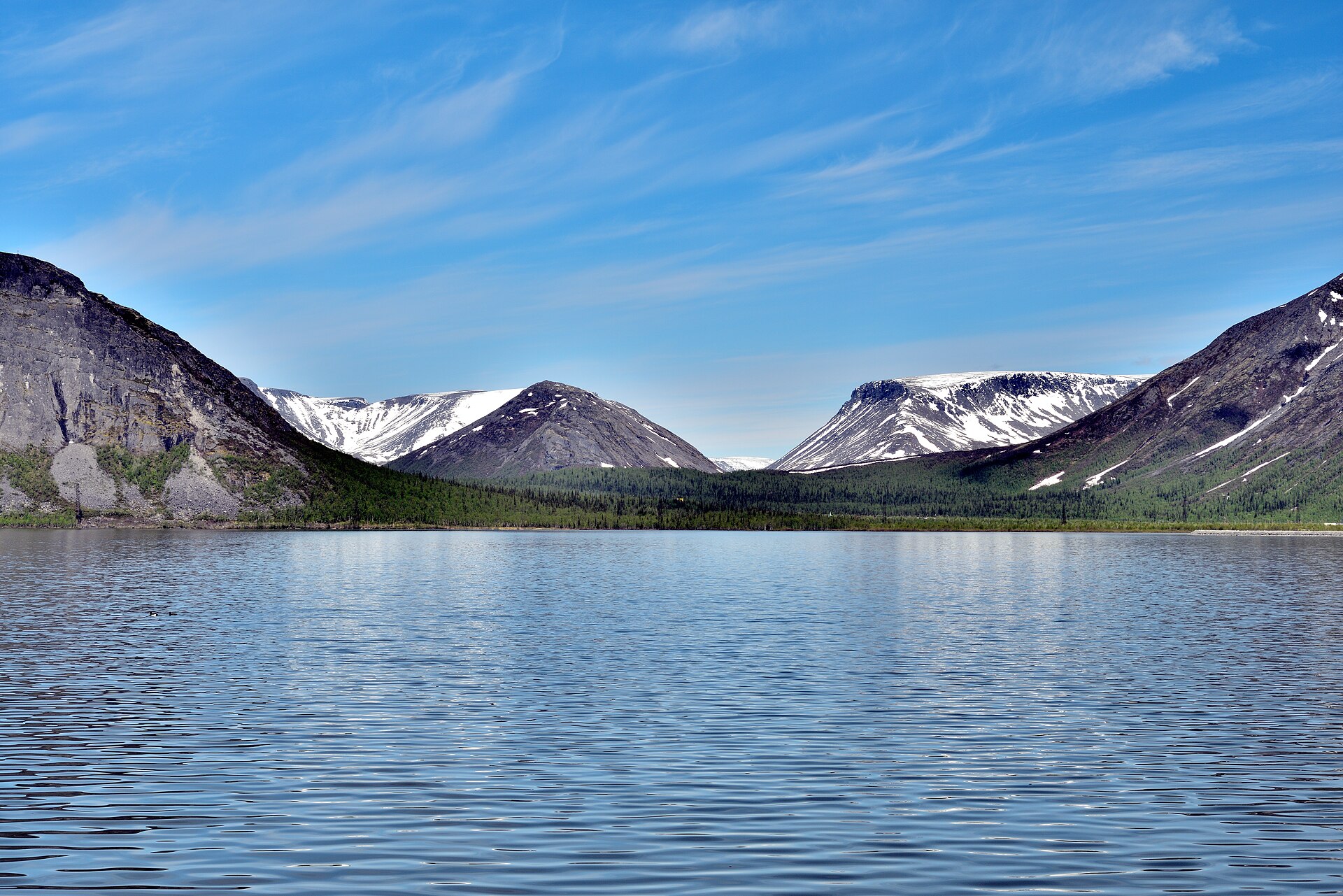
The Khibiny alkaline massif is an ancient geological formation of Devonian age (approximately 380–360 million years old) on the Kola Peninsula. The main base for tourists is Kirovsk, the starting point for a well-developed ski resort. Bolshoy VudyavrPeople often come to neighboring Apatity to study rare minerals.
Summer routes through the Khibiny Mountains require sturdy trekking boots and a windproof membrane jacket. The rocky scree here is grueling for beginners, but a great challenge for experienced hikers. From the top, a panoramic view opens up over Lake Imandra, which can be reached via Monchegorsk.
Monchegorsk and Lake Imandra – a pearl at the foot of the Khibiny Mountains
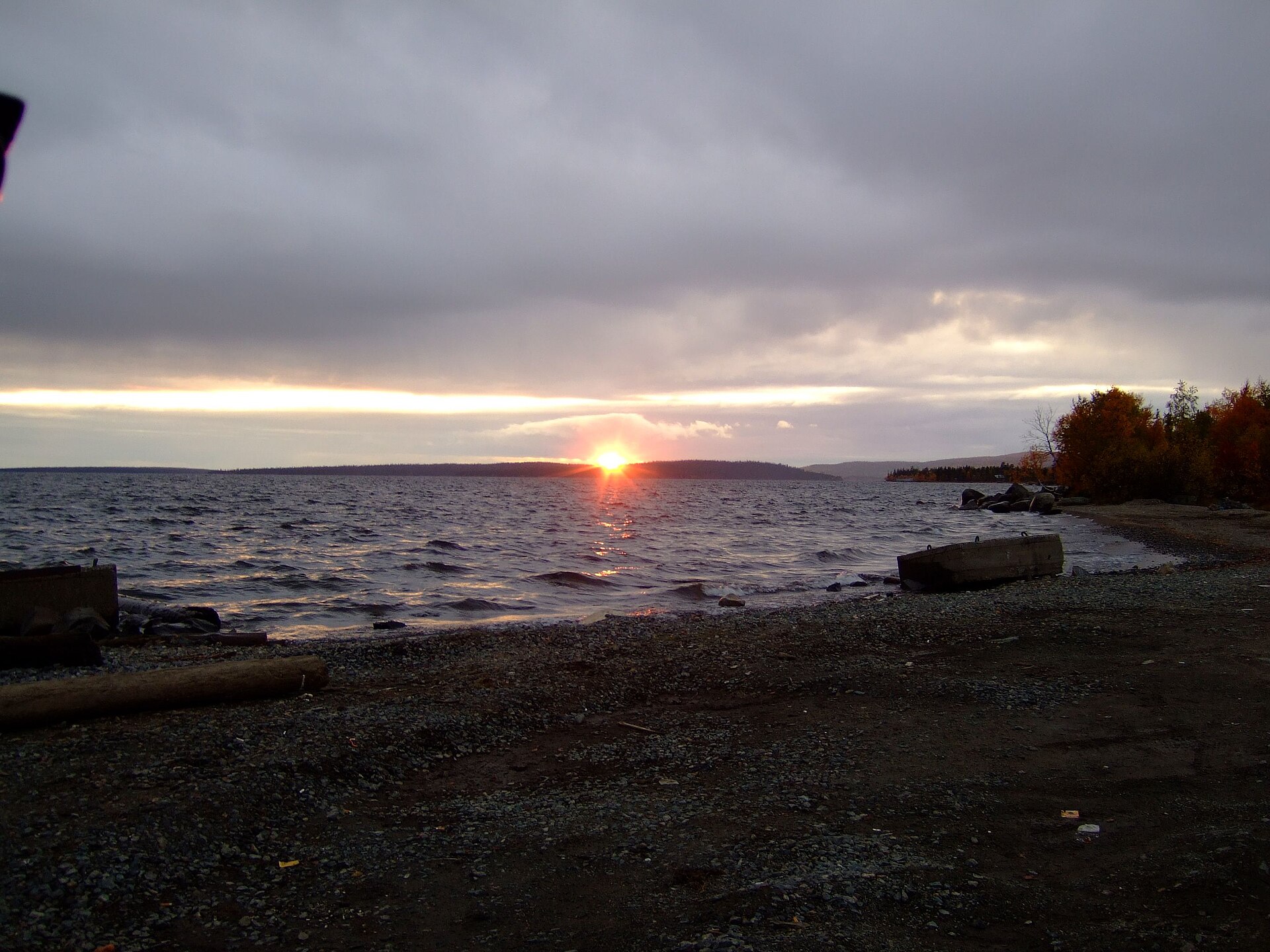
Monchegorsk is a convenient starting point for exploring Lake Imandra on the peninsula. a reservoir with an area of 876 km²In this area, water tourism on the Kola Peninsula reveals itself unexpectedly: it's a discovery that many transit tourists miss in their rush to get to the Khibiny Mountains or the Lapland Nature Reserve.
Fishing on the Imandra requires thick, windproof clothing even in summer—the Arctic region reveals its tranquil, mirror-like beauty here. The best season for fishing is late July and the first half of August.
Lovozero Tundra – the land of Sami legends
The peninsula's topography here is radically different from the steep cliffs of the Khibiny. The Lovozero tundra is a flat, plateau-like peak with steep slopes and glacial cirques. In the very center of the massif, hidden from the winds, lies the sacred Lake Seydozero. Getting here is not easy: the route requires considerable physical endurance and a readiness for sudden fogs, and compasses often malfunction here due to magnetic anomalies. It is here that ancient people have lived for centuries. Sami legendsOn one of the steep cliffs above the lake, a huge, 70-meter-tall dark silhouette is clearly visible—it is the legendary giant Kuyva.
According to local Sami guides, the Sami seids, or ritual stones, in these areas still require tourists to treat them with respect and maintain strict silence. For those seeking absolute authenticity rather than well-equipped resorts, this mountain range is the best choice, revealing the mystical side of the Russian peninsula. The Sami villages in Lovozero are a logical addition to this challenging yet impressive route.
Key points of the route:
- Elmorayok pass (height 460 m);
- valley of the rocky river Eljok;
- the shoreline of Lake Seydozero;
- a rock with a petroglyphic image of the giant Kuyva.
The Lapland Nature Reserve is where the wild reindeer live.
Founded in 1930, the Lapland Nature Reserve is a benchmark for taiga, untouched by civilization. The Arctic region has preserved a unique, closed ecosystem here, the main living symbol of which is the wild reindeer. Only 4 official eco-trails: "To Mount Yelnyun-2", "Along the Lake", "Forest Why-Why" and "To the Chunozerskaya Estate".
The focal point of these routes is a wooden estate surrounded by the forested Chunozero Lake. It's important to understand: this isn't a glamorous tourist residence of Father Frost, but a truly austere estate in the deep forest, where wildlife reigns supreme.
ADVICE. Plan your visit in advance. You must book a tour at least 2-3 weeks in advance, as unauthorized entry into the protected area is strictly prohibited. The basic tour strictly includes an inspector-guide and transfer from the checkpoint—without these, you simply won't pass the first cordon.
Kandalaksha Nature Reserve and Pasvik Nature Reserve are other protected areas
While the Lapland Reserve protects the harsh taiga, other protected areas of the Kola Peninsula have a water profile. The Kandalaksha Reserve, whose waters extend into Kandalaksha Bay, was created in 1932 specifically to protect a rare bird— common eiderIn turn, the Pasvik Nature Reserve specializes in protecting habitats waterfowl and near-water birdsThe Arctic territory here runs along the state border with Norway.
My personal recommendation: if you're an avid birdwatcher or ornithologist, choose Pasvik—during migration season, the bird population there is fantastic. For a classic expedition trip around the peninsula with your family, the cliffs and islands of Kandalaksha are a better choice, where you can observe marine life in its natural habitat.
Reserve profile:
- Kandalaksha Nature Reserve: area 70,530 hectares; strict protection of the common eider and seabird species;
- Pasvik Nature Reserve: area 14,727 hectares; border reserve for waterfowl and near-water species.
Kuzomen is an arctic desert in the middle of the taiga.
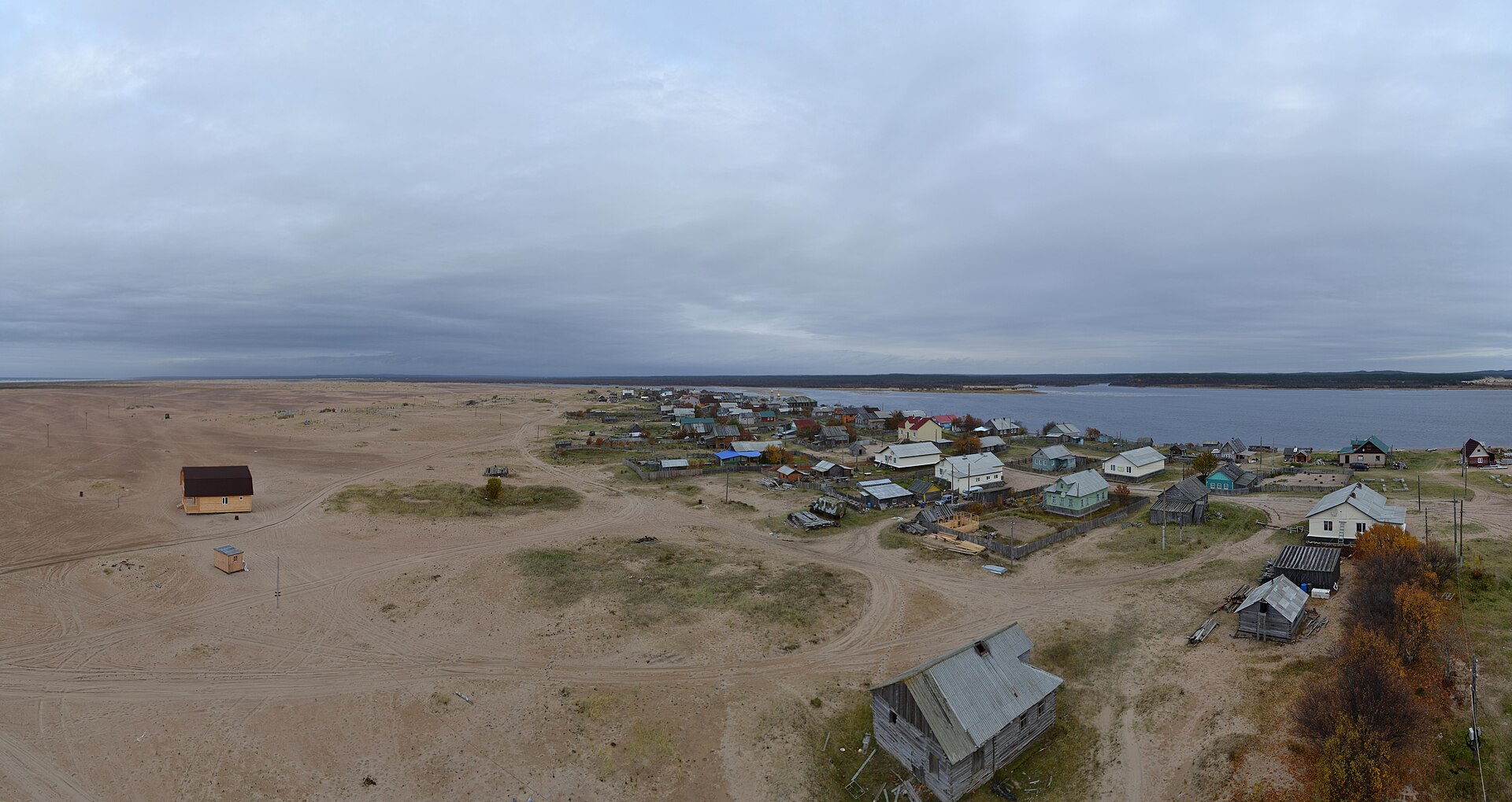
My first trip to the Tersky Coast, the southeastern coast of the peninsula, ended in shock: amidst the dense taiga, the Kuzomen Desert suddenly opened up. This is not a natural anomaly, but a man-made mobile a sandy massif about 13 km longIt was formed due to large-scale deforestation and uncontrolled grazing in the last century. The region has a knack for surprises: red sand dunes literally engulf the forest where the full-flowing Varzuga River flows into the White Sea. For connoisseurs of the northern regions, this is an unobvious, hidden location, accessible only to a few due to the difficult dirt road, which quickly destroys the suspension of passenger cars.
Flora and Fauna of the Kola Peninsula: What to See in the Tundra and at Sea
Wild flora and fauna are a daily necessity for survival in extreme conditions. Brown bears, wolverines, and wild reindeer inhabit the land. In the air, ornithologists have recorded up to 270 species of birds, many of which are strictly protected by the Kandalaksha Nature Reserve.
The marine fauna of the Barents Sea is on a completely different scale, where I was once fortunate enough to encounter a family of cetaceans right from the deck of a boat. The Arctic region demands iron discipline: if you encounter a bear in the tundra, you absolutely must not run. You must raise your jacket above your head, visually increasing your size, and slowly back away. Arctic animals do not forgive panic. Typical wildlife of the region:
- land mammals: brown bear, wolverine, arctic fox, lemming;
- Inhabitants of the Barents Sea: humpback whale, minke whale, harbour porpoise, cod;
- Birds: common eider, white-tailed eagle, snowy owl.
FACT. Seasonal guests of the region - huge cetaceansFin whales and humpback whales, a type of baleen whale, come to feed in the cold waters, and pods of white-beaked dolphins and belugas regularly appear just off the coast.
Kola Bay and the Barents Sea coast
The contrast here is striking: cozy, sheltered mountain valleys instantly give way to a leaden, icy expanse. The Barents Sea fjord serves as the main transport gateway to the Arctic, connecting Murmansk with the open ocean. It is from here that many coastal routes begin. The rugged coastline that forms the Barents Sea creates a completely different scale of space—there's no room for error, and any shallow body of water can become a death trap during a sudden Arctic storm.
Teriberka and the Barents Sea coast – the edge of the world at the ocean
When I first went whale watching in the spring, the water temperature felt like it was freezing. The Barents Sea is not forgiving of light clothing, so warm Arctic suits are a basic requirement for organizers. A humpback whale or fin whale might emerge from the water suddenly, but an encounter with wildlife is impossible to guarantee. Teriberka gained cult status after the release of the film "Leviathan," but for me, it's primarily the location where Kamchatka drops off dramatically into the ocean.
5 things to do in Teriberka:
- Take a look at the famous ship cemetery at the entrance to the old part of the village;
- Walk along the shore of the Dragon's Eggs beach, strewn with large round pebbles;
- Reach the rocky cliff where Batareisky Waterfall discharges the waters of the Small Batarei Lake into the sea;
- Go out on a boat beyond the cape in search of marine mammals;
- Try fresh seafood right on the shore.
The Rybachy and Sredny Peninsulas are the end of the world
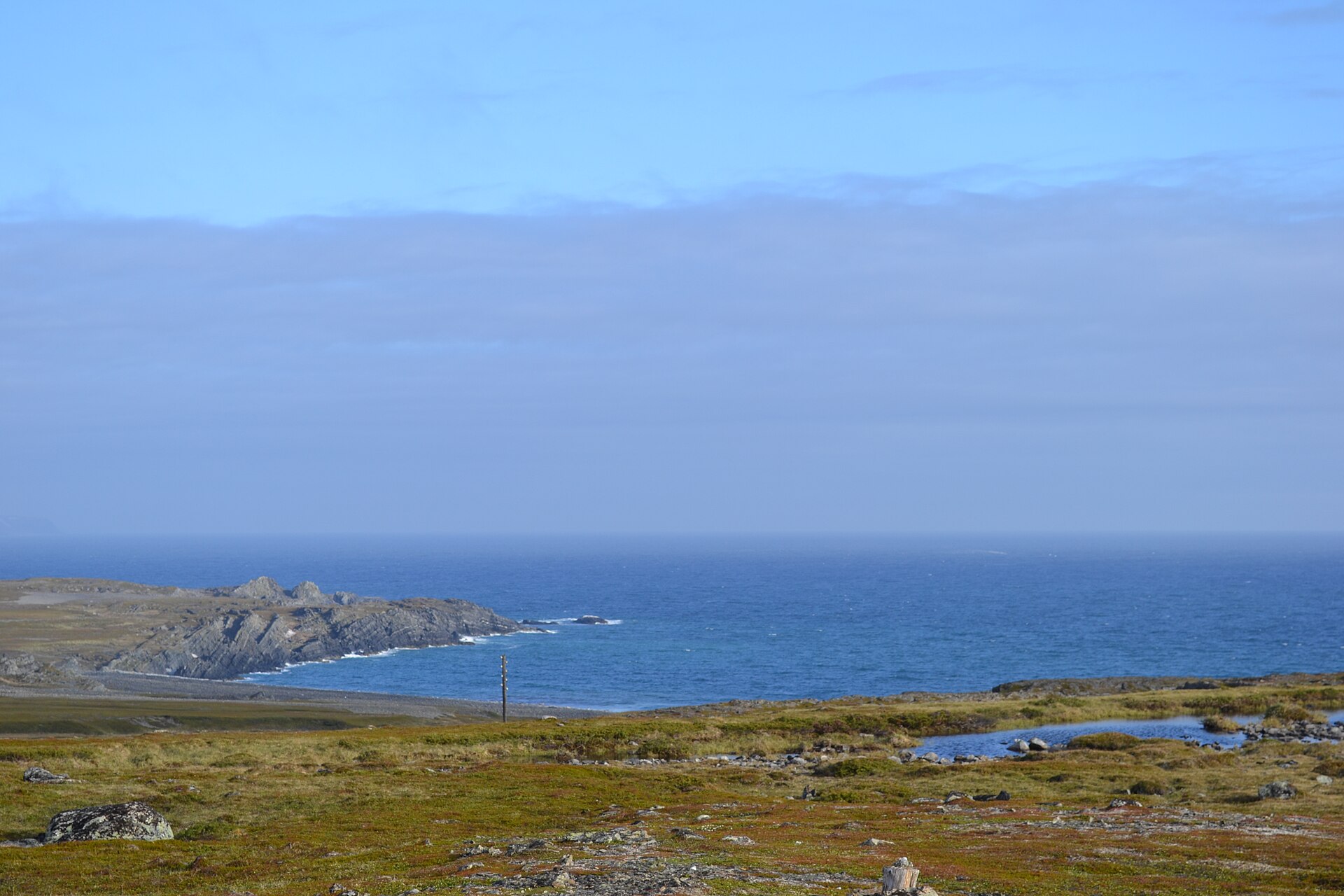
Rybachy and the adjacent Sredny Peninsula are territories with a harsh climate and a dense military legacy. My expedition to Cape GermanThe northernmost point, the crossing took place in freezing rain, with the still-functioning Vaydagubsky lighthouse barely visible through the fog. The Barents Sea is always stormy here, a reminder that the Arctic region is a high-risk zone. The border zone imposes strict bureaucratic restrictions on entry.
A practical checklist for visiting the area:
- take care of obtaining passes in advance, as approval deadlines are unstable;
- prepare original passports of all expedition participants;
- Before leaving, check that you have a route sheet.
IMPORTANT. The road to Sredny and Rybachy requires a well-equipped SUV, mud-resistant tires, and experience fording deep, rocky riverbeds. Trying to drive here independently in a car-sharing SUV is a common and expensive mistake for tourists.
Kildin Island and the mysterious Lake Mogilnoye
Kildin Island attracts researchers with its military history and complex maritime logistics. The location's main natural phenomenon is meromictic Lake Mogilnoye, a relict reservoirThe water structure here resembles a layered cocktail: at least three stable layers have formed within the reservoir, which never mix. The upper horizon is fresh, the middle horizon is salty, and the lower horizon is oversaturated with hydrogen sulfide.
It lives in the middle marine layer Kildin codThe endemic species Gadus morhua kildinensis is a unique fish found nowhere else on the planet. Reaching the island is extremely difficult: the Barents Sea is often closed by storms, cutting off the mainland from Kildin for several days.
Dalnie Zelentsy – diving and complete solitude
Historically, the Murmansk Marine Biological Institute was located here. Today, Dalniye Zelentsy is a largely abandoned village with a minimal permanent population. However, the location is recognized as a top base for challenging diving in the Barents Sea.
Driving here on your own is a bad idea. There's no infrastructure, and logistics are difficult. Unless you're an experienced driver with a well-equipped 4x4 and a winch, opt for organized tours. Otherwise, you'll be stranded in a broken-down car among the rocks without cell service.
Culture on the Kola Peninsula: the Sami and Pomors
This place is not only icy cliffs but also two unique, living ethnographic layers. A journey through the southern part of the peninsula reveals a contrast: Sami villages in the tundra and the harsh Pomor life of the Tersky Coast are two completely different worlds. Varzuga and the reindeer herders' camps prove that culture isn't just boring museums, but living Sami and Pomor people.
Sami villages and living traditions
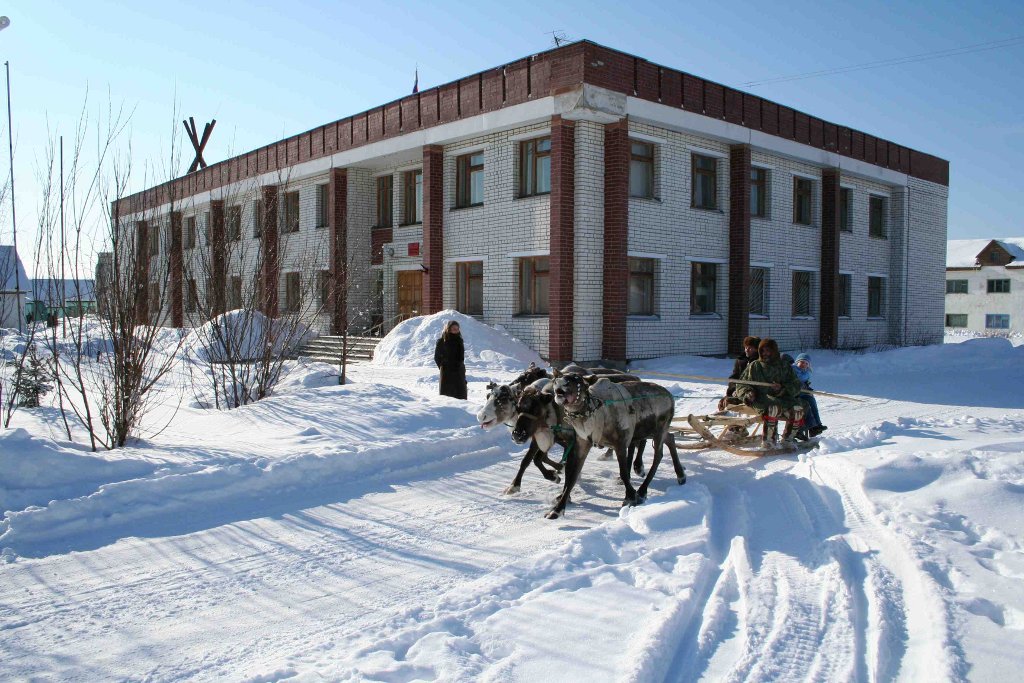
The most logical place to study Sami villages is in the Lovozero tundra region. The Sami village is an iconic ethnographic site here. Sam-Syit. It is based nearby. Lovozero Husky Park, where you can organize reindeer sledding.
Reindeer have been a source of food for locals for centuries: reindeer herding remains a viable industry, and the national Sami cuisine is built entirely on reindeer meat. The traditional meat is characterized by a dense, firm texture and a deep, wild flavor—the most authentic experience is in a chum (tent) during the northern winter holidays. If you want to catch a reindeer herding competition, plan your trip for March.
Pomor villages of the Tersky coast
The Tersky Coast on the southeastern coast of the peninsula immerses you in a completely different era. The Arctic region is revealed here through the harsh Pomor way of life. The main historical base is Varzuga, where the Assumption Church, built without nails in 1674, has been preserved. Moving further along the shore, you will come across a historical and ethnographic complex Tonya Tetrina.
An overnight stay in an authentic Pomor hut on the coast—the smell of stove smoke, low ceilings, and simple salted fish—provides a complete immersion into the 17th century. Getting to the locations: The asphalt quickly ends, turning into a hard dirt road. Searching for the famous amethysts at Cape Korabl will require a piercing wind from the White Sea.
Ancient Mysteries of the North: Petroglyphs and Stone Labyrinths
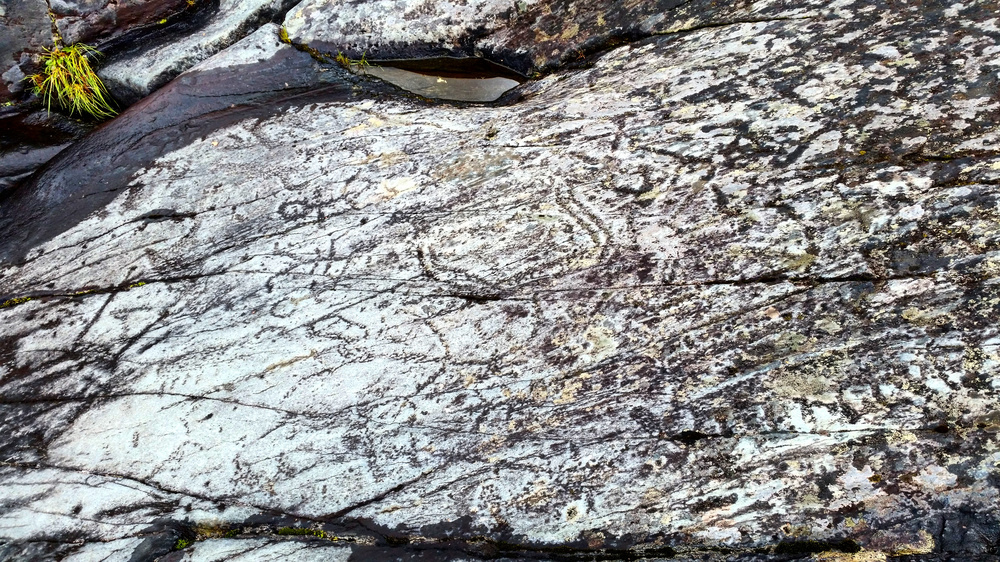
The logistics of reaching the ancient sanctuaries of the Arctic are grueling, and the weather is unforgiving. The region hides its artifacts in hard-to-reach places, impossible to reach without serious preparation. Petroglyphs of the Kola Peninsula — this is a history of millennia: the Kanozero drawings date back to the 4th–2nd millennia BC (~6,000 years), and the Chalmna-Varre petroglyphs were created in 2000–1000 BC.
Famous historical monuments of the region:
- the Chalmny-Varre petroglyph complex on the Ponoy River;
- rock paintings on the Kanozero islands;
- stone labyrinths (Babylons) of the coast washed by the White Sea.
Official scientific consensus about the purpose of stone labyrinths Still no answer. Scientists identify three theories: ritual, fishing, and navigational. Touching these stones gives a sharp sense of the scale of time, but I warn you—an independent journey to them through the off-road terrain will be too expensive.
Murmansk is the capital of Russian Murmansk and the gateway to the Arctic.
Murmansk is the capital of Russian Murmansk and a historical location in its own right, not just a transit hub from the airport to the tundra. The first impression of the city is the heavy smell of fuel oil and salt, the blaring of ships' horns, and the sheer scale of the largest ice-free port north of the Arctic Circle. The bay, which opens onto the harsh Barents Sea, makes the city a strategic base, home to the Northern Fleet. It opens a waterway to the high latitudes, so the Arctic and the region itself logistically begin here.
What to see in Murmansk
If you want to explore the city's textures without rushing, allow at least five hours for the basic itinerary. Murmansk offers three must-see locations that shape the city's character. First, the nuclear-powered icebreaker Lenin—the world's first nuclear-powered vessel, now moored at the pier as a museum ship. Second, Alyosha memorial, towering on the Green Cape hill. Thirdly, Semyonovskoye Lake in the northern part of the city — a great area for quiet walks.
Where is the best place to see the Northern Lights on the Kola Peninsula?
Aurora hunting is a lottery with nature, where success depends 90% on proper logistics, distance from light pollution, and mobility. Sitting in a city apartment in Murmansk hoping to see flashes is a common mistake among independent travelers. To catch the bright green and purple ribbons in the sky, you need to travel deep into the tundra, where the sky is completely dark and the horizon is unobstructed by hills.
FACT. The official northern lights hunting season on the peninsula runs from January 15 to March 30. During this period, the nights are long, and with the right weather forecast, the tundra is perfect for catching geomagnetic bursts.
For a comfortable wait for the Aurora, panoramic igloos at the Aurora Village complex or secluded, heated lodges on the coast are ideal. Independent attempts to drive a rented sedan out of town in a snowstorm often end in a snowdrift and a damaged plow. Professional expeditions plan routes based on precise weather data and take tourists in powerful, well-equipped SUVs to areas of maximum visibility.
Catch the Northern Lights Over the Barents Sea and reach Cape Rybachy by helicopter—this GO&DO program starts at 177,000 rubles. A personal guide, snowmobiles, and an igloo with a panoramic ceiling for aurora viewing.
EXPERT ADVICE. The best spot to watch the sunset or the northern lights right in the city is the platform near the memorial on Mys Zeleny. From here, the bay and the Kola Peninsula are panoramically visible, while the rest of Murmansk's museums remain below the hill.
Arctic Gastronomy: What to Try on the Kola Peninsula
Northern cuisine hits the palate hard. Stroganina—the icy texture of the meat that melts in your mouth, leaving a deep, wild flavor—is one of the Arctic's most iconic gastronomic experiences. Arctic gastronomy draws entirely on the region's offerings and the icy Barents Sea. Kamchatka crab, fresh scallops, and cloudberries are a must-try on the Kola Peninsula. Murmansk and restaurants in Teriberka They will offer the best service, but the prices here correspond to the premium segment.
Basic menu for a tourist:
| Dish | Where to try | Price (estimated, 2026) |
|---|---|---|
| Kamchatka crab (portion ~100 g / phalanx) | Murmansk – Restaurants and Gastropubs by the Sea | from 650 to 900 ₽ per 100 g |
| Stroganina (made from venison or white fish) | Murmansk — Northern Cuisine Restaurants | from 500 to 700 rubles per serving |
| Venison (stewed, grilled, dumplings) | Murmansk, Teriberka | from 650 to 1,900 rubles per serving |
| Cloudberry (tincture 50 ml / dessert) | Murmansk, Kandalaksha | from 190 to 350 ₽ per serving |
The Kola Superdeep Borehole and its Abandoned Secrets
While exploring the abandoned sites of the Kola Peninsula, it's impossible to ignore the scale of Soviet scientific ambitions. The Kola Superdeep Borehole is listed in the Guinness Book of Records as the absolute maximum drilling depth: 12,262 metersThe work was carried out from 1970 to 1991.
Today, the site presents a sad spectacle: it's mothballed, its infrastructure in disrepair. I'll be honest: there's no stable, official tourism here. The region of the Russian Federation guards this record under a heavy, rusty manhole, and access to the site is uncertain.
When to go: Kola Peninsula weather and the best time to travel
The best time to travel to the Kola Peninsula depends on your specific destination. For winter snowmobile tours, March is ideal: daylight hours increase and the polar night has finally receded. The Khibiny Mountains offer ideal snow density during this month. For sea excursions, July is best, when the polar day warms the cliffs. The Barents Sea and Murmansk impose their own harsh rules, so the best time to travel is determined not by the calendar, but by the tourist's preparedness for the Arctic region's capricious seasons.
The Northern Lights over the Kola Peninsula are unpredictable: you can't "book" them for a specific day, only choose the right window and viewing location. That's why I entrust my aurora hunting to the GO&DO "Northern Lights Hunt" program (from 177,000 ₽, 3 days or more)—a personal guide monitors geomagnetic activity forecasts and takes the group to clearer skies, while snowmobiles and heated igloos with panoramic ceilings eliminate hours of freezing, blind waiting.
Weather by Season: What to Expect from Winter and Summer
The weather doesn't forgive carelessness. In the mountains, I recorded -25°C in winter with a fierce, piercing wind, while on the coast, the thermometer showed a tolerable -10°C due to the warm current. The harsh Arctic climate requires a professional approach to gear: the humidity by the sea makes any frost twice as noticeable.
| Season | Temperature | What to do | What to take |
|---|---|---|---|
| Winter (January – March) | from -10 °C to -30 °C | Hunting for the Aurora, snowmobiles | Membrane suit, thermal underwear, balaclava |
| Summer (July – August) | from +5 °C to +20 °C | Trekking, whale watching, fishing | Windbreaker, fleece layer, trekking boots |
| Autumn (September) | from 0 °C to +10 °C | Photo tours, tundra observation | Thick raincoat, rubber boots, hat |
Getting there: flights and roads in the Murmansk region
When planning how to get to the Murmansk region, keep in mind the logistical bottleneck. Regular flights to Murmansk Flights depart from Moscow and St. Petersburg, but during the peak aurora season, tickets must be purchased 2–3 months in advance. The road and rail route to Kola Peninsula runs along the federal highway. R-21 "Kola" highway Through Karelia. In winter, the road is regularly snowed in, and the passes are closed. Murmansk and the region are connected by a network of dirt roads, but entry into closed cities requires pre-arranged passes—the exact rules vary depending on the specific closed city.
Where to stay: hotels, glamping sites, and resorts
When researching where to stay on the Kola Peninsula, budget for a premium accommodation right away if you don't want to freeze in your sleeping bag. Quality hotels in the Murmansk region and coastal infrastructure are overcrowded. The best choice for aurora viewing is the panoramic glamping site Aurora Village, while for the Barents Sea coast, the premium Tundra House is a great option. The Murmansk region and Khibiny offer a variety of options, but premium locations are booked out six months in advance.
| Type of housing | Region | Part of the GO&DO program | Who is it suitable for? |
|---|---|---|---|
| Glamping with igloos (Aurora Village) | Murmansk Oblast | Northern Lights Tour, from 177,000 ₽ | Northern Lights Hunters |
| Eco-hotel (Cedar Grass) | Teriberka | Northern Lights Tour, from 177,000 ₽ | Lovers of ocean comfort |
| Cottage | Lovozero | Northern Lights Tour, from 177,000 ₽ | Guests of the husky park and the Sami village |
What to see in 3, 5, or 7 days: ready-made itineraries
A self-guided route around the Kola Peninsula often turns into a struggle with a stuck car. Ready-made GO&DO programs solve the logistics issue: Murmansk is always the starting point. Three proven scenarios:
Based on the tour operator's programs, I recommend the following scenarios:
- 3-day Northern Lights Tour (from 177,000 ₽). This basic program includes accommodation in the panoramic igloo Aurora Village. Includes a tour of Murmansk, a trip to the Husky Park in Lovozero (dog and reindeer sledding, a visit to the Sami people), and a trip to Teriberka for a boat trip (whale watching and fishing).
- 5 days (Premium Tour with Helicopter, from 290,000 ₽). An expedition without wasting time on off-road terrain. Helicopter transfer to the Rybachy and Sredny Peninsulas, accommodation in the secluded Tundra House complex. Days filled with snowmobile safaris, Arctic cuisine from the chef, and relaxation at the Northern Spa.
- 7 Days (Deep Immersion). An extended, customized experience from GO&DO, combining both programs. You'll have time to see the Khibiny Mountains, snowmobile to Lake Seydozero, experience the aurora at a glamping site, and appreciate the power of the Barents Sea during a sea cruise.
The Kola Peninsula is a place where people return
The Kola Peninsula isn't just a one-time stop on a map, but a place to which people return. The icy Barents Sea crashes against the cliffs of Teriberka, and the purple ribbons of the aurora unfurl over the tundra—this land never lets go. A true journey north and a safe Arctic adventure are incompatible with skimping on logistics.
Catch the Northern Lights over the Barents Sea and reach Cape Rybachy by helicopter—that's the GO&DO program (from 177,000 ₽). A personal guide, powerful snowmobiles, and warm igloos with a panoramic ceiling for aurora-watching guarantee a truly immersive experience, not the stress of the Arctic cold.
Frequently Asked Questions
What are the top attractions to see on the Kola Peninsula?
Teriberka is a good starting point for access to the Barents Sea to see whales. Among the mountain ranges, choose the Khibiny or Lovozero Tundra. For those prepared for challenging logistics, the Rybachy Peninsula is a must. These destinations require reliable off-road transport.
When is the best time to visit the Kola Peninsula?
March is ideal for snowmobiling and northern lights viewing: the temperatures subside and the daylight hours increase. If your destination is whale watching, deep-sea fishing, and trekking, book expeditions for July or August. The Kola Peninsula is unpredictable, so be sure to pack warm clothing no matter the month.
Where is the best place to see the northern lights on the Kola Peninsula?
The best choice is the panoramic igloos at Aurora Village or the secluded cottages at Tundra House. The main rule: stay at least 50 km away from the light pollution generated by Murmansk. Successful aurora hunting requires absolutely dark and clear skies.
How to get to the Kola Peninsula?
The most reliable option is direct flights to Murmansk from Moscow or St. Petersburg. Driving along the Kola Highway in winter is an unnecessary risk: mountain passes are regularly closed due to severe snowstorms, and evacuation from snowdrifts is expensive.
Are special permits required to visit the Rybachy and Sredny Peninsulas?
Yes, this is a border area, so obtaining permits is mandatory. If you're traveling with GO&DO premium tours, the tour operator will handle all approvals. Independent tourists must submit documents through Gosuslugi at least three weeks before entry.
Where to stay on the Kola Peninsula?
For maximum comfort in harsh conditions, the Cedar Grass Hotel in Teriberka, the Aurora Village glamping site for overnight stays under the Northern Lights, and the premium Tundra House in Rybachy are ideal. These are proven locations with powerful heating and a high level of service.
What to try from Arctic gastronomy?
Be sure to try the ice-cold wild venison stroganina and scallops.
Sources
- Kola Peninsula // Wikipedia. ru.wikipedia.org
- Polar night and Polar day // Visit Murmansk. visitmurmansk.info
- Khibiny // Arctic Russia. tourism.arctic-russia.ru
- Imandra // Wikipedia. ru.wikipedia.org
- Seids, legends and the lake of spirits // Arctic Russia. arctic-russia.ru
- Lapland Nature Reserve // GoArctic. goarctic.ru
- Kandalaksha Nature Reserve. kandalaksha-reserve.org
- Pasvik // Wikipedia. ru.wikipedia.org
- Kuzomensky sands // Wikipedia. ru.wikipedia.org
- Cetaceans of the Barents Sea: Fauna and population status at the beginning of the 21st century // Marine Biological Journal. marine-biology.ru
- Batareisky Waterfall in Teriberka: where is it located // Komsomolskaya Pravda. kp.ru
- German (cape) // Wikipedia. ru.wikipedia.org
- Mogilnoye (lake, Kola district) // Wikipedia. ru.wikipedia.org
- Kilda cod // Wikipedia. ru.wikipedia.org
- Petroglyphs of Kanozero: Excavations // Academia.edu. academia.edu
- The mystery behind the Kola Peninsula labyrinths // Russia Beyond. rbth.com
- Defenders of the Soviet Arctic during the Great Patriotic War // Wikipedia. ru.wikipedia.org
- Semenovskoye Lake // Wikipedia. ru.wikipedia.org
- Kola Superdeep Borehole // Wikipedia. ru.wikipedia.org
- How to Get to Murmansk in 2026: Flights, Train and Bus // Russiable. russiable.com
- Kola (road) // Wikipedia. ru.wikipedia.org