When planning a luxury vacation in the Far East, many people ask a logical question: What should a tourist see in Sakhalin to ensure a flawless and stress-free trip?
Why Sakhalin is a must-see for every tourist
Firstly, the island boasts pristine natural beauty: mountain ranges, rocky capes, and the coastline of the Sea of Okhotsk, where human traces are few. Secondly, the penal past, described by the Russian writer Anton Pavlovich Chekhov, lends a rich depth of meaning to the routes. Thirdly, the legacy of Japan's Karafuto Prefecture has been preserved here: austere Teikan-zukuri architecture stands alongside monumental Soviet-era buildings. Furthermore, you can experience the traditions of the indigenous peoples— Nivkhs и Ainu, which add an authentic touch. For travelers, this is a unique chance to see the region on the cold Sea of Okhotsk, one of the seas of the Pacific Ocean: the island is separated from the mainland by the Strait of Tartary and the Nevelskoy Strait, and from Japan by the La Perouse Strait.
The unique nature and geography of the island
The island's scale is astonishing even on a map: Sakhalin's area is 72,492 square kilometers—slightly smaller than the entire Czech Republic. The island is located between the Sea of Okhotsk and the Sea of Japan, and is separated from the mainland by Strait of Tartary.
A Mixture of Cultures: The Russian and Japanese Legacies of Sakhalin's Karafuto
A significant milestone in history is the period of Japanese governorship Karafuto (1905–1945)When the southern part was occupied by Japan, administrative buildings in the imperial Teikan-zukuri style can still be seen in Yuzhno-Sakhalinsk. This Sakhalin contrast is immediately noticeable: austere Asian façades sit alongside familiar Soviet buildings, and the island's image, as created by Anton Chekhov, is complemented by the history of the Japanese period.
What surprises those who have visited Sakhalin
Sakhalin is remembered not for its postcard views, but for its details: the sunrise at Busse Lagoon, the icy waters in the shallows where giant oysters can be harvested with bare hands, the salty taste of the fresh catch, and the ringing silence. These are the very things that capture the island's character—and why travelers travel so far for such experiences.
When to go: Traveling around Sakhalin in different seasons
Any journey is highly dependent on capricious climate, but the average January temperature in Yuzhno-Sakhalinsk is around -13°C, and July is around +17°C. The optimal period is considered to be the end of August and the beginning of September—this is the most comfortable season, when the weather stabilizes. In the summer, namely in June and July, the capital and the coast are often thick fogs cover, which spoil the panoramic views. After the twenties of September, the risk of autumn storms increases sharply. If you're looking for winter extreme sports, the famous "Mountain Air" (Gorny Vozdukh) welcomes skiers in winter.
| Season | Temperature | What to do | Risks |
|---|---|---|---|
| Summer | July ~+17°C | Boat trips, lighthouses, fishing | Thick fogs at the beginning of summer |
| Autumn | September ~+14°C | Trekking, off-road excursions, gastronomy | Storms from the second half of the month |
| Winter | January ~−13°C | Alpine skiing, snowboarding, snowmobiling | Severe snowstorms, flight delays |
| Spring | May ~+5°C | Sea lion watching | Mud on the roads, cold winds |
What to see in Sakhalin in summer
If you're planning a trip south in August, the sea is even suitable for a swim, although the water remains cool. The highlight of the summer itinerary is the legendary Aniva Lighthouse. Summer is peak tourist season, so it's best to plan your itinerary in advance: GO&DO will select dates, boats, and accommodations to suit your schedule.
Winter and off-season: features of a ski resort
The main argument for winter holidays is Mountain AirYuzhno-Sakhalinsk welcomes skiers and snowboarders. For your first winter trip, it's best to combine skiing with leisurely walks, leaving the main nature trails for the summer. The off-season is perfect for leisurely snowshoeing and dog sledding through the forest.
How to get to and around Sakhalin Oblast
The main transportation gateway to the region is Yuzhno-Sakhalinsk, specifically Khomutovo Airport. A direct Aeroflot flight from Moscow takes approximately 7 hours and 50 minutes (tickets start at ₽18,571). There are also convenient connections via Vladivostok and Khabarovsk. Logistics within the Sakhalin Region are challenging: dirt roads and off-road terrain lead to the most interesting destinations, so it's more convenient to opt for a comprehensive program with transfers in prepared 4x4 vehicles.
Flights, ferries and guided tours
An alternative to flights from Moscow is the long ferry from Vanino to Kholmsk. Go by sea 18-20 hours ahead, and the schedule is highly dependent on storms. Organizing everything yourself risks wasting precious vacation days. Choosing a direct flight saves you energy, and traveling with an experienced guide eliminates most of the organizational risks.
IMPORTANT. The Vanino-Kholmsk ferry service is primarily geared toward freight and passenger transport, not tourism, so schedules and availability are subject to weather and seasonal traffic. It's best to check with the carrier for current conditions.
Cities of Sakhalin on the way to the south: Korsakov, Kholmsk and Nevelsk
When exploring coastal towns, estimate distances wisely. The Korsakov seaport is the main departure point for the Kuril Islands. It's worth making a special stop at the port towns of Kholmsk or Nevelsk to see the Japanese lighthouses and sea lion rookeries (allow half a day for each).
What to see in Yuzhno-Sakhalinsk
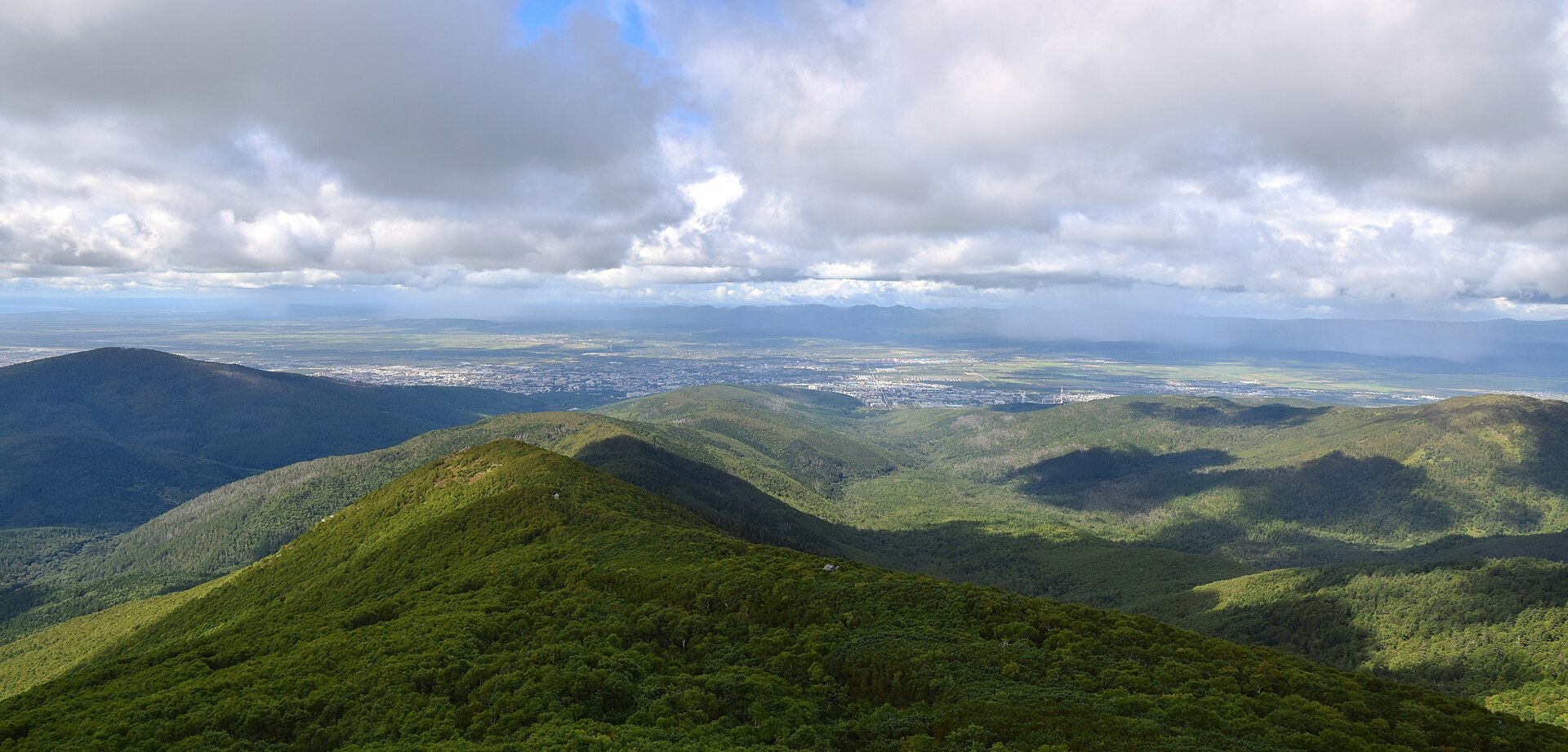
A good place to begin exploring the region is with its capital. The administrative center, Yuzhno-Sakhalinsk, is a city with a remarkable history, where completely different eras intertwine. Walking its streets, it's hard to believe that until 1946, this settlement bore its historical name. Toyohara and was the center of the Japanese governorate. Today, each major landmark here seems to tell its own part of Sakhalin's history, combining the Japanese legacy with Soviet monumentalism. If you only have one free day before heading out into nature, it's best to plan your itinerary like this: immerse yourself in history in the morning by visiting the Local History Museum and the Art Museum, then take a look at the Resurrection Cathedral, and after lunch, head to Gagarin Park, from where you're just a stone's throw from the cable car to Gorny Vozdukh and the trail to Chekhov Peak.
The Museum of Local History and Architecture of the Karafuto Period
One of the city's main landmarks and a living embodiment of its history is the building of the regional museum. It was built in 1937 in the unique imperial style. Teikan-zukuri architectureThis is a rare example of traditional Japanese architecture with its characteristic tiled roof that has survived outside of Japan. Museum collection It offers a profound insight into the Japanese period. It's worth setting aside 1.5–2 hours for a thorough exploration of the Regional Museum and its Japanese garden with pond.
Gagarin Park and the Gorny Vozdukh ski resort
From the center you can immediately enter a dense forest area. Gagarin Park It's not just a park, but a large green area with alleys and ponds. A ski resort is also located nearby. Mountain AirEven if you're visiting in the summer and aren't interested in winter sports, it's worth exploring the city from a bird's eye view by taking the cable car up to the complex's observation decks.
Chekhov Peak is an observation deck overlooking the city.
For those who are ready for some light physical activity, the Chekhov Peak mountain peak is the perfect addition to the day. The height of the mountain is 1045 metersIt towers above the city as part of the Susunai Range. The climb doesn't require mountaineering equipment, but good trekking shoes are essential. The leisurely ascent and descent usually takes several hours, depending on your pace and the weather. The reward at the summit is a fantastic panorama, overlooking the entire Aniva Bay and the icy waters of the Sea of Okhotsk.
The Art Museum and the Resurrection Cathedral are cultural symbols of the city.
The art museum is housed in a striking late Art Nouveau building. Inside, a surprising attraction for the Far East is hidden: luxurious replicas ancient Russian frescoes XI–XVII Centuries. Nearby stands the Resurrection Cathedral—the city's main Orthodox symbol—which looks stunning in photographs against the backdrop of green hills.
Cape Aniva and other natural wonders of the south of the island
Urban architecture is just a prelude. True, untouched nature begins beyond the paved roads. The south offers a concentration of spectacular landscapes: cliffs, lagoons, capes, and the seashore. If you want to see the most, plan at least 3-4 days in this part of the region.
Top 7 natural spots in the south by priority:
- Aniva Lighthouse
- Cape Giant and Cape Bird
- Laguna Busse
- Cape Crillon
- Moneron Island
- Tikhaya Bay and the cliffs of the Zhdanko Ridge
- Blue Lakes and Tunaycha
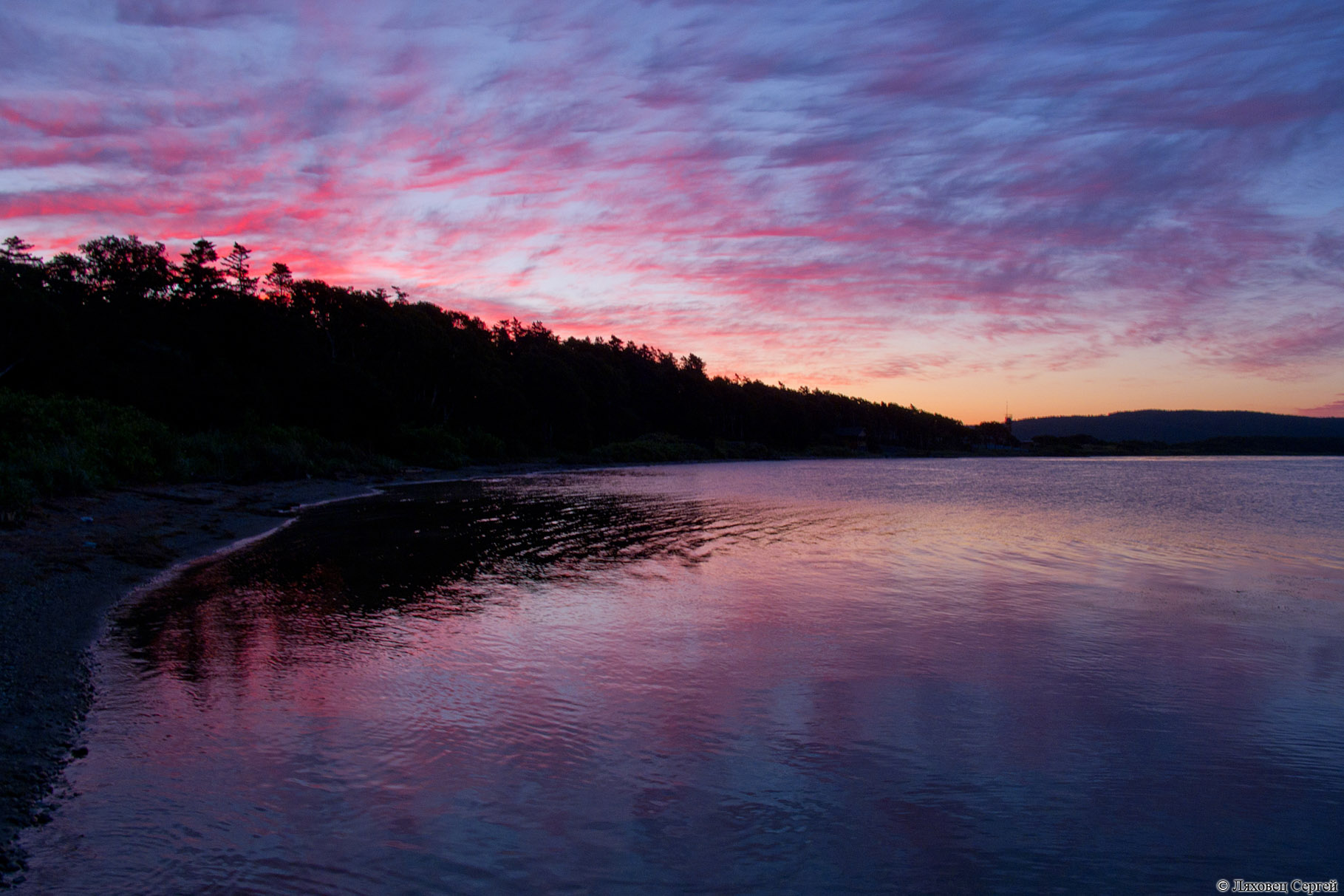
The Aniva Lighthouse is Sakhalin's calling card.
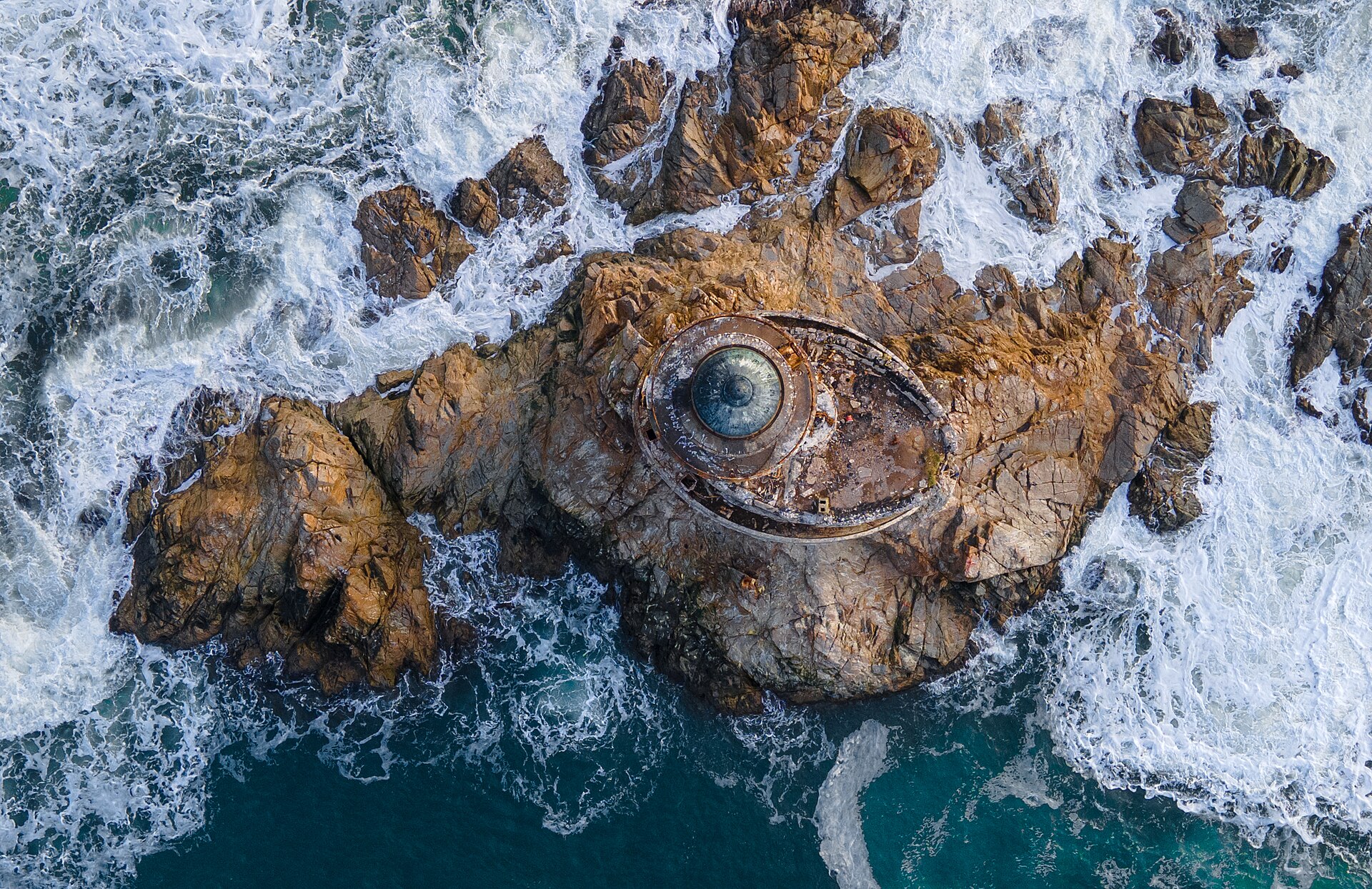
The most famous and photographed place in the Far East is, without a doubt, the Aniva Lighthouse. It's a true engineering marvel, built between 1937 and 1939 according to the designs of engineer Shinobu MiuraWhen this territory was under Japanese control, the tower seems to rise from the impenetrable Sivuchya cliff, battered by all the winds. The structure has been abandoned since 2006, and access is limited to boats. The Aniva River faces challenging currents, so travel is dependent on the weather and requires an experienced captain.
Aniva, Velikan, Busse Lagoon and Tikhaya Bay are included in the GO&DO program Getting to Know Sakhalin — from five days. It includes personal guides, a boat trip to the lighthouse, transfers in SUVs or minibuses, and a gourmet lunch of fresh catch by the lagoon. The program starts at 199,000 rubles per person for a group of four adults, and the GO&DO team handles the complex logistics.
FACT. From 1939 to 1946, the lighthouse bore the Japanese name of the cape - Nakashiretoko (Nakashiretoko-misaki).
Cape Velikan and Cape Ptichiy: cliffs and grottoes
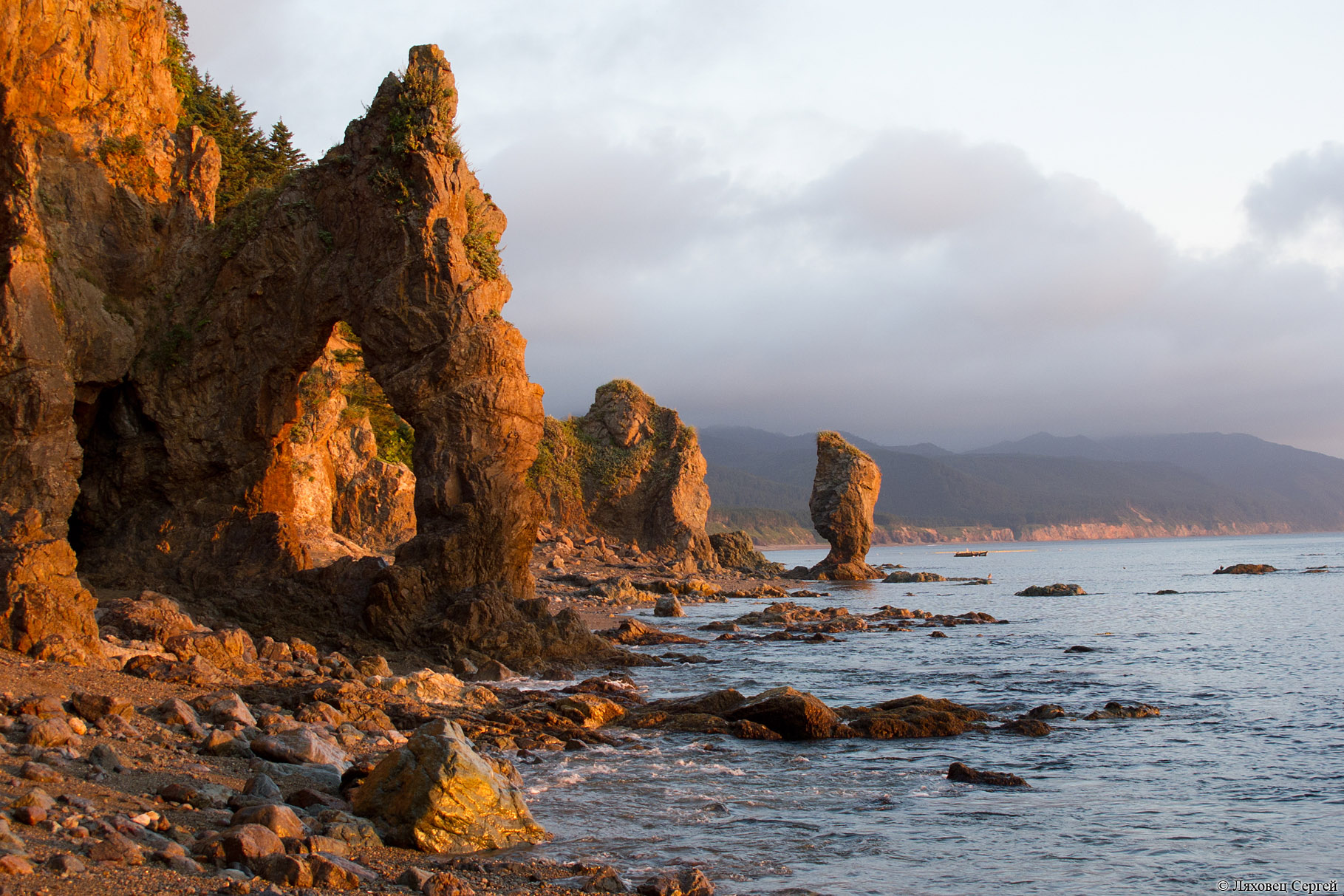
The coastline, home to the Velikan and neighboring Ptichiy natural monuments, is a cinematic landscape of colossal stone arches and sea stacks jutting straight out of the water. The road here runs along the picturesque coastline formed by Mordvinov Bay, and along the way, you can stop by the incredible Turquoise Lakes. The main rule for exploring the stone grottoes is to strictly observe the tide schedule, otherwise the water can quickly cut off your return. The route lies almost entirely off-road—through forests, hills, and mountain passes—so it's impossible to reach here in a regular car, but an organized 4x4 tour solves the problem.
Lake Busse and giant oysters
Calling this place simply a lake isn't entirely accurate. In fact, the Busse Lagoon (estuary) is a unique body of water connected by a narrow channel to the waters of Aniva Bay. The famous giant Sakhalin oysters live here in their natural habitat. Crassostrea gigasHere, you absolutely must try the freshest oysters you'll ever see: you can harvest them yourself in the shallow waters, and the chef will prepare a lunch of your fresh catch right on the shore. Besides oysters, the lagoon is home to sea urchins, crabs, whelks, and scallops. The price of this culinary experience depends on the itinerary.
ADVICE. When heading to Busse Lagoon, even in the middle of August, bring a windproof jacket and high rubber boots. Oysters thrive in the shallows, the water is icy, and a piercing wind blows off Aniva Bay almost constantly.
Frog Rock is a place of power
If you're looking for a bit of mysticism and picturesque panoramas, head to the rock outcrop. Frog Rock is a famous outcrop associated with local legends. According to legend, the ancient Ainu performed their sacred rituals here. A well-maintained eco-trail leads to the summit, starting from village of VestochkaThe route is approximately three kilometers long. Despite its apparent simplicity, the climb is steep in places, so trekking boots are a must. The reward is a stunning panorama of the blue Aniva Bay and Lake Tunaycha.
Lake Tunaycha and Vavai Lakes – fishing and beach recreation
For those seeking a more relaxing holiday, large inland bodies of water are ideal. Lake Tunaicha is Sakhalin's second-largest lake and a natural landmark: fishing is possible here almost year-round (subject to restrictions during the spawning season). On its shores is the eco-hotel "Albatross," where guests of GO&DO programs can enjoy a guesthouse with a swimming pool, jacuzzi, and Russian sauna. The Vavai Lakes offer an alternative to the cold seashore. According to tour operators, the water here warms up significantly more in summer than by the sea, making them a good location for long stops.
Cape Crillon is a lighthouse on the border with Japan.
Cape Krillon is the southernmost and most inaccessible point of Sakhalin. The land route here is a grueling off-road trek, so GO&DO transports guests by Robinson 44 helicopter. Along the way, secluded bays and Cape Kuznetsov, a flat plateau with dizzying cliffs, open up from a bird's-eye view. At the very edge of the land stands a functioning lighthouse from 1883, a weather station, and the remains of military fortifications from the Japanese period. From here, across the strait to Cape Soya, where Japan begins, only 43 kilometers In good weather, the coast of the neighboring country is visible to the naked eye. Steller sea lion and seal rookeries can be seen in the surrounding area.
Tikhaya Bay and the abandoned Devil's Bridge
Hidden on the east coast is picturesque Tikhaya Bay, reliably sheltered from cold winds by the sheer cliffs that form the mighty Zhdanko Ridge. It's the perfect spot for leisurely strolls along the wild beach. Tikhaya Bay, along with the Amber Coast, is part of the "Getting to Know Sakhalin" program. The highest point of the Zhdanko Ridge is the eponymous mountain, 682 meters high: the ridge was formed by lava flows, and its slopes are home to numerous endemic plants. It's important not to confuse the geography: guidebooks often mention the famous Devil's Bridge (railway bridge) nearby, but logistically, this is a completely different, separate route, starting from the port center of Kholmsk. The bridge is a grand, abandoned Japanese railway overpass with a system of tunnels.
IMPORTANT. When planning a hike through Japan's railway tunnels to the Devil's Bridge, be sure to bring powerful headlamps. A smartphone flashlight won't be enough: it's pitch black inside, and the road beneath your feet is often pothole-ridden and uneven.
Moneron Island is a marine natural park for diving.
The pearl of the Tartary Strait is the mysterious Moneron Island. It's official. the first marine natural park in Russia, renowned for its incredibly clear waters. People come here on yachts for world-class diving, to explore basalt caves and see a picturesque waterfall cascading from the cliffs directly into the sea. The season for comfortable boat excursions is very short—strictly from July to September. Therefore, it's best to plan a trip to Moneron in advance: GO&DO programs include a yacht cruise with a picnic on the island.
Kuril Islands: Iturup and Kunashir for the Brave
The Kuril Islands offer a whole new level of complexity, requiring travelers to be prepared for harsh conditions. Bordered by the Pacific Ocean, the Kuril Islands require one to two weeks to fully explore. Everything is complex here, from unpredictable weather conditions to purchasing tickets, so arranging your own logistics requires a significant amount of time and effort. Flights to the destination will be expensive. from ~19,000 ₽, and if you choose a ferry from a port city, the journey will take from 16 to 24 hours at a cost from ~8,000 ₽ for space. The proximity of borders is acutely felt here—Japan has left its mark, and settlements like Yuzhno-Kurilsk or the remote island of Shikotan live at a very unique pace. The table below clearly illustrates the differences in planning and helps you assess your capabilities.
| Region | Complexity of logistics | Budget | Recommended time |
|---|---|---|---|
| South | Average (cars available) | From 199,000 ₽ (Getting to Know Sakhalin program) | From 5 days |
| Iturup | High (air/ferry, weather) | From 365,000 ₽ (Sakhalin and Iturup program) | From 7 days |
| Kunashir | Extreme (border zone) | From 595,000 ₽ (program “Sakhalin - Iturup - Kunashir”) | From 14 days |
Volcanoes and thermal springs of Iturup
The most striking feature of the archipelago's largest island is the White Rocks (pumice formations)—stunning massifs of volcanic glass and pumice that stretch along the coast. Nearby is the Yanquito Plateau, a lava plateau where black, jagged rocks of bizarre shapes cut into the boiling foam of the waves. But the island's true gem is active Baransky Volcano, at the foot of which boiling thermal springs gushes forth, forming entire hot rivers. Trekking in these areas requires moderate to good physical fitness. These islands are not forgiving of frivolity, so for the vast majority of routes, it is highly recommended to choose an organized program with an experienced guide and a powerful off-road vehicle.
If you'd like to add this destination, GO&DO offers seven- and fourteen-day itineraries with flights and island accommodations. Each itinerary is tailored to your needs after a short interview, eliminating the endless stress of searching for rare tickets and quality accommodations. Prices are per person for a group of four adults.
Cape Stolbchaty and Tyatya volcano on Kunashir
Neighboring Kunashir offers even more pristine and wild landscapes. The land's calling card is Cape Stolbchaty, a geological natural monument with perfectly hexagonal basalt columns form giant steps descending directly into the sea. For ambitious and adventurous climbers, the majestic Tyatya Volcano (a stratovolcano) rises here. 1819 meters highIt's located in a strictly protected area protected by the Kuril Nature Reserve. Climbing to the top of Tyat requires serious stamina, excellent physical fitness, and a professional guide. A more accessible, but no less beautiful, option for exploring is Volcano Golovnina (caldera) with its famous acidic lakes, Goryachee and Kipyashchee. The 14-day GO&DO program for Kunashir includes a hike to Cape Stolbchaty, an all-terrain vehicle ride to Golovninsky Cliff, and a trek along Lakes Kipyashchee and Goryachee.
Things to do in Sakhalin: Adventures for Active Tourists
For discerning connoisseurs, this region has prepared a host of exciting scenarios.
- Boat trips and diving in the crystal waters of the natural park
- Watching Steller sea lions and whales in the wild
- Multi-day expeditions by car across difficult off-road terrain
- Trekking along mountain ridges and climbing peaks
- Relaxation in wild thermal springs
- Sea and river fishing
- Helicopter excursions to Cape Crillon
Boat trips are rightfully considered one of the best activities here. While the Sinegorsk springs can be reached by land, the true magic of the region is revealed only from the water, where Moneron Island and the port town of Nevelsk appear on a completely different scale. And for a complete break from civilization and a true test of one's endurance, the remote Daginsky springs are worth a visit.
Combining all these activities into one itinerary—boat cruises, trekking, thermal springs—is nearly impossible on your own, as logistics and seasonality vary greatly. GO&DO creates a program tailored to specific dates and guest experience, including a personal guide and prepared transportation. The order of activities and cost are determined after a short interview with the manager.
Sea excursions and sea lion watching
Any boat excursion should be planned with strict seasonality in mind. If your main destination is the mysterious Moneron Island, also known as a natural marine park, navigation there is comfortable and safe only from July to September. The famous sea lion rookery for which Nevelsk is famous is active from February to June, when the animals rest en masse on the breakwater. If you dream of seeing killer whales or giant whales in their natural habitat, head out on the water at the height of summer, in July and August. If you're lucky, you might be accompanied by killer whales, dolphins, and seals during a boat trip to the Aniva Lighthouse.
Trekking, jeep tours and surfing
For those who prefer solid ground, powerful jeeps are an excellent choice—the most reliable way to reach the most remote cliffs through passes and dirt roads. If you enjoy hiking, the classic routes to the mystical Frog Rock location will provide excellent exercise for the entire day. For wave-riders, the rugged Tatar Strait offers several local surf schools. But the main rule on any hiking or mixed route is the strictest safety precautions if you encounter a bear. Walk in a tightly packed group, make loud noises and talk loudly, always keep a special pepper repellent on hand, and strictly avoid traveling through the forest at dawn or dusk.
Thermal springs: Sinegorsk and Daginsky baths
The comfortable Sinegorsk springs are located just 20 km from the regional capital, making Yuzhno-Sakhalinsk an easy and stress-free way to organize a comfortable day trip. But the famous Daginsky thermal springs are a thing of the past for true explorers and long-distance enthusiasts. They are located in the Nogliki District, approximately 30 kilometers north of Nogliki itselfA trip there requires organizing a full-fledged expedition to the north of the island, with long journeys and overnight stays along the way.
Gastronomic Sakhalin: What to try and where to visit
The cultural code this region prides itself on is impossible to understand without its traditional cuisine. The cold Sea of Okhotsk that surrounds the region generously supplies restaurants with fresh catch. But the gastronomy here is not only about seafood, which is a must-try. Culinary traditions have been colossally influenced by neighboring Japan and South Korea. If you want truly authentic dining experiences, be prepared for an incredible mix of seafood delicacies, hot Korean spices, and classic Russian recipes adapted to the island's unique environment.
Seafood and fish markets
Getting to know local delicacies should start with the counters. The Sea of Okhotsk offers incredible variety: crab legs, giant scallops, the freshest fish, and spicy Korean salads. In 2026, the benchmark for price and quality is the Tekhnik and Yantar markets. If you visit them, you'll find pricesFresh flounder costs around 102 rubles/kg, pink salmon costs around 150 rubles/kg, and select red caviar costs around 8,000–9,000 rubles/kg. It's best to visit the markets in the morning, when the selection is at its richest.
Restaurants and cafes with local cuisine
Yuzhno-Sakhalinsk is renowned for its Pan-Asian cuisine, with Japan and neighboring South Korea historically influencing local cuisine. GO&DO organizes meals only at Sakhalin's best, trusted locations during its tours, eliminating the need to search for a restaurant on your own: guests can sample seafood dishes, and the programs include chef-prepared lunches featuring the fresh catch.
Practical advice for tourists
Organizing a quality time in the Far East requires careful planning and a substantial budget. The region's capital and the famous "Mountain Air" offer excellent infrastructure, but once you leave the city limits, the area transforms into a wild, unforgiving wilderness.
Where to stay
Experimenting with tents or looking for random accommodations is not recommended here: after a busy trip, a comfortable rest is essential. GO&DO programs accommodate guests in the best hotels, selected for the route. In Yuzhno-Sakhalinsk, these include the 4-star Mega Palace Hotel—a high-rise building with views of the city and the hills, a couple of minutes' walk from the city park and near the Gorny Vozdukh ski resort—and the quiet Santa Resort Hotel in a valley among the hills, with a swimming pool and gazebos. The eco-hotel Albatros is located on Lake Tunaycha, and on Iturup, guests can enjoy the VIP guesthouse Yankito at the foot of the volcano: it is built of solid natural wood and features a sauna, a swimming pool, and a waterfall.
Safety: Ticks, Bears, and Weather
The harsh region and its capital require strict adherence to safety regulations. Before traveling, it is strongly recommended to receive a full course of tick-borne encephalitis vaccination and obtain reliable health insurance.
Pre-trip safety checklist:
- Walk along wild trails exclusively in a tight group, without stretching out.
- Make loud and constant noise in the forest to warn the animal of your presence in advance.
- Always keep a powerful pepper repellent for bears on hand.
- Do not approach bear cubs, even if they appear abandoned.
- Strictly avoid forest routes during dawn, dusk and at night.
While strolling along the beautiful, untouched beaches, remember: the best souvenir the region can offer is vivid memories, not risks. When choosing what to bring home, consider delicacies and symbolic souvenirs. The best symbol of the island is the miniature Aniva Lighthouse, carved from wood. Postcards depicting the historical Japanese period or paintings capturing the majestic Aniva Lighthouse make excellent gifts. The wooden lighthouse is beautiful because it conveys the spirit of resistance to the elements inherent in this region.
Frequently Asked Questions
What is a must see in Sakhalin?
If you're visiting Sakhalin, the iconic Aniva Lighthouse should be your main attraction. Also on the must-see list are the cliffs for which Velikan is famous and the picturesque Busse Lagoon. Don't forget to set aside a day in Yuzhno-Sakhalinsk itself to explore Japanese architecture.
What month is the best time to go to Sakhalin?
The most comfortable period for a trip is the end of August and the beginning of September. During this time, mild weather sets in. After September 15–20, weather risks increase significantly, as autumn begins. protracted storms.
Does a tourist need a car in Sakhalin?
Sakhalin's most beautiful natural attractions are reached via dirt roads, passes, and fords, so specially prepared SUVs and an experienced driver are essential; a regular car won't do. GO&DO programs offer transfers in SUVs or minibuses.
Is it possible to travel around Sakhalin on your own?
Organizing the logistics of boats, SUVs, and trips to the Kuril Islands on your own is no easy task: it requires a lot of time and effort. GO&DO's comprehensive programs allow you to relax, rather than worry about logistics at the end of the world.
How many days does it take to travel to Sakhalin?
To see the southern highlights and enjoy the gastronomy, you'll need at least five full days. If you're planning to add the Kuril Islands to your itinerary, allow one to two weeks for your vacation due to unpredictable weather.
How much will a trip to Sakhalin cost?
The price is determined individually and depends on the duration, group size, and selected activities. Flights from Moscow cost from ~18,571 ₽, and ready-made GO&DO programs start at 199,000 rubles per person for a group of four adults: the price includes accommodation, transfers, personal guides, and excursions. Simply submit a request for a quote.
What should I watch if I only have 3 days?
Plan ahead: Day 1 – Dedicate yourself to history, exploring Yuzhno-Sakhalinsk and climbing to the observation deck. Day 2 – Book a boat excursion to the Aniva Lighthouse. Day 3 – Head to Velikan with a stop at Lake Busse (estuary) for oysters.
Sources
- Sakhalin // Wikipedia. ru.wikipedia.org
- Nivkh | Indigenous Siberian, Amur River, Ethnic Group // Britannica. britannica.com
- Ainu // Wikipedia. ru.wikipedia.org
- Sakhalin's Japanese heritage: what remains of Karafuto – cities, buildings, torii // My District. moy-region.ru
- Yuzhno-Sakhalinsk // Wikipedia. ru.wikipedia.org
- Four Seasons, Climate and Weather in Sakhalin // Ekinavi. ekinavi-net.sakura.ne.jp
- Mountain air // Wikipedia. ru.wikipedia.org
- Ferry transportation // Sakhalin Shipping Company. sasco.ru
- Sakhalin Regional Museum of Local History // Official website of the museum. sakhalin-museums.ru
- Sakhalin Regional Museum, Yuzhno-Sakhalinsk // AMIST. amist.ru
- City Park of Culture and Recreation named after Yuri Gagarin // Official website. city-park.yuzhno-sakh.ru
- STK "Mountain Air" // Official website. ski-gv.ru
- Chekhov Peak - route and features of the ascent // Travel stories. putevye-istorii.ru
- State Budgetary Cultural Institution "Sakhalin Regional Art Museum" // Official website. sakhalin-museums.ru
- Aniva (lighthouse) // Wikipedia. ru.wikipedia.org
- Cape Velikan and Cape Ptichiy – the coast of stone sculptures // Travel stories. putevye-istorii.ru
- Busse Lagoon, Sakhalin – Giant Oysters & Brackish Lagoon Ecology // AMIST. amist.ru
- The news is the "Frog" outlier // Sakhalin and the Kuril Islands. gosakhalin.ru
- Crillon (cape) // Wikipedia. ru.wikipedia.org
- Natural Park "Moneron Island" // CultSakhalin. cultsakhalin.ru
- How to Reach the Kuril Islands in 2026 // AMIST. amist.ru
- Iturup: a route along the island of volcanoes, white rocks and hot rivers // SakhPress. sakhpress.ru
- Columnar // Wikipedia. ru.wikipedia.org
- Kuril Nature Reserve // Wikipedia. ru.wikipedia.org
- Unique Natural Attractions // Kuril Reserve. kurilskiy.ru
- Daginsky thermal springs // Wikipedia. ru.wikipedia.org
- Sakhalin Safari: Fish and Seafood Prices // Sakh.online. sakh.online
- When to Visit Sakhalin in 2026 // AMIST. amist.ru
- Flights to Sakhalin in 2026 // AMIST. amist.ru